A salvage vehicle marked "cosmetic damage only" represents one of the smartest purchases in the UK auction market. These cars suffered minor aesthetic harm - scratched panels, dented doors, cracked bumpers - whilst their mechanical systems remained intact. The insurance company wrote them off because repair costs exceeded their threshold, not because the vehicle became unsafe or unreliable.
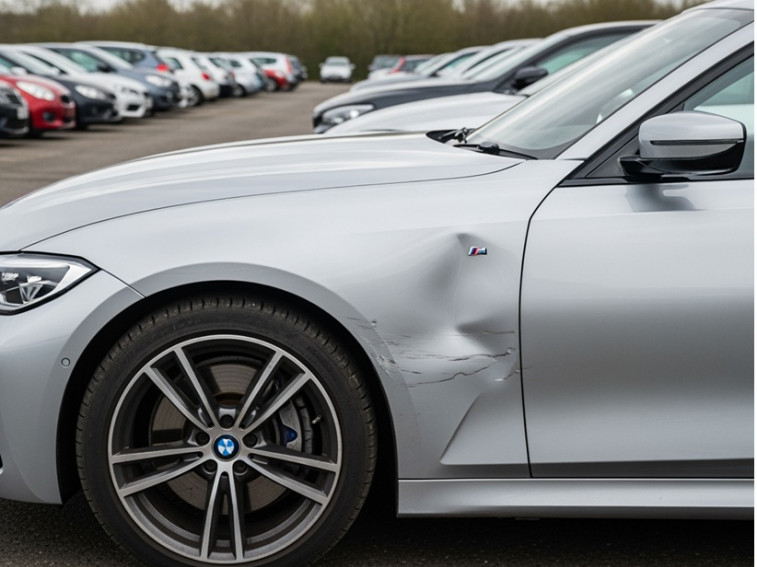
When exploring featured auctions for salvage car deals, you'll discover vehicles that casual buyers have dismissed yet offer exceptional value to knowledgeable purchasers. Buyers routinely save £5,000 to £15,000 on nearly-new vehicles by targeting cosmetic damage categories. A 2022 BMW 3 Series with a scraped rear quarter panel might cost £12,000 at auction when an identical undamaged model sells for £24,000 at a dealership. The repair? £800 for paint correction and panel work.
What Qualifies as Cosmetic Damage
Insurance assessors categorise damage into structural, mechanical, and cosmetic classifications. Cosmetic damage affects only the vehicle's appearance - the parts you see but that don't influence how the car drives or protect occupants.
Cosmetic damage includes: Paint scratches and scuffs on panels, dented doors, bonnets, or boot lids, cracked or broken bumpers, damaged wing mirrors, Minor interior wear or stained or chipped glass (not windscreen), Scuffed alloy wheel.s
Damage that ISN'T cosmetic: Bent chassis or frame components, damaged suspension mounting points,compromisedd crumple zones, Airbag deploymen,t Water ingress or flood damage, or Fire damage to any component
The distinction matters because vehicles with structural or mechanical damage require specialist assessment and potentially expensive repairs that affect safety. Cosmetic damage salvage typically costs £300 to £2,000 to repair professionally, or less if you're comfortable with DIY approaches.
Category N: The Sweet Spot for Cosmetic Damage
The Association of British Insurers created four salvage categories. Category N vehicles suffered non-structural damage and represent the primary source of cosmetic-only salvage car deals.
Category N characteristics: No damage to the vehicle's structural frame. Ame is mechanically sound or requires minor repairs. Safe to repair and return to the road. Retains approximately 50-70% of pre-accident value. Requires no Vehicle Identity Check (VIC) inspection
Salvage operations process hundreds of Category N vehicles where the actual damage consisted of a scraped bumper and scratched door. The insurance company totalled the car because the estimate (including parts, labour, hire car costs, and administration) exceeded 60-70% of the vehicle's pre-accident value. For a £15,000 car, that threshold sits around £9,000 - easily reached when dealerships quote £500 for a replacement bumper and £400 for professional paint matching.
A 2021 Volkswagen Golf examined at auction had £1,200 in actual cosmetic damage but received a Category N classification because the insurance repair estimate totalled £11,000. The owner purchased it back from their insurer for £8,500 and spent £1,400 on repairs through an independent body shop.
Finding Genuine Cosmetic Damage Listings
Salvage auction platforms list thousands of vehicles weekly, but identifying actual cosmetic-only damage requires careful filtering and inspection through platforms like car auctions, where detailed vehicle histories are available.
Auction search strategies: Start with Category N filters and add keywords like "light damage," "cosmetic only," "minor damage," or "superficial damage" to listing searches. Major platforms, including Copart UK, IAA UK, and British Car Auctions, provide detailed damage descriptions and photograph galleries.
Review every photograph methodically. Genuine cosmetic damage salvage shows surface-level harm without underlying deformation. A dented door should show a smooth dent, not crumpled metal indicating impact force that might have damaged internal components.
Red flags in listings: Limited photographs (fewer than 10 images), no engine bay or undercarriage photos, Vague damage descriptions like "various damage", Mismatched panel gaps visible in photos, liquid stains under the vehicle, deployed airbag indicators on the dashboard ", Sold as seen" with minimal detail.
Sellers providing 20+ high-resolution images typically have nothing to hide. They photograph every scratch, every dent, every mark because the damage truly is superficial.
Calculating True Value vs Repair Costs
The mathematics of salvage car deals relies on three figures: auction price, repair costs, and post-repair market value.
Value calculation framework:
A 2020 Ford Fiesta Titanium with 25,000 miles sells for £11,500 in good condition through private sales. The exact vehicle with a scratched rear bumper and dented tailgate appears at auction with a £6,000 guide price.
Replacement tailgate (used): £180 Rear bumper (aftermarket): £120 Paint and labour: £450 Total repair cost: £750 Total investment: £6,750 (auction price plus repairs) Market value post-repair: £11,500 Profit margin: £4,750
This 70% margin provides a buffer for unexpected issues, auction fees (typically 5-7% plus admin charges), transportation costs (£100-300 depending on distance), and your time investment.
Hidden costs that erode margins: Storage fees if you can't collect immediately (£10-25 daily), Transportation from auction site to your location, MOT and any advisories that need addressing, Replacement parts that prove more expensive than estimated, Additional damage discovered during re,ir Professional inspection fees (£150-250 but worthwhile)
Maintaining a 40% minimum margin between total investment and the vehicle's market value is recommended when sourcing from vehicle auctions. This cushion protects against the inevitable surprises that emerge during salvage vehicle purchases.
Inspection Priorities for Cosmetic Damage Claims
Even vehicles listed as cosmetic-only damage require thorough inspection before bidding. Auction houses describe what they observe, but they don't disassemble components or perform diagnostic tests.
Pre-bid inspection checklist:
Panel alignment: Walk around the vehicle, checking gaps between panels. Consistent gaps indicate the frame remained straight. Misaligned panels suggest an impact force that bent structural components.
Suspension and steering: Push down on each corner of the vehicle. It should bounce once and settle. Multiple bounces indicate worn dampers (not cosmetic). Turn the steering wheel lock-to-lock whilst stationary - it should move smoothly without clicking or resistance.
Undercarriage examination: Crouch down and photograph underneath with your phone torch. Look for bent suspension arms, damaged subframes, or fresh fluid leaks. Cosmetic damage shouldn't affect anything under the vehicle.
Electrical systems: If the auction provides access, test every electrical component. Window switches, central locking, lights, indicators, wipers, and infotainment should function normally. Electrical faults often indicate water ingress or more serious impact damage.
Fluid condition: Check engine oil (should be golden-brown, not black or milky), coolant (should be bright, not rusty), and brake fluid (should be clear, not dark brown). Poor fluid condition suggests neglected maintenance that will cost you later.
Many auction houses offer pre-sale viewing days. Attending these sessions has saved buyers from multiple purchases that looked acceptable in photographs but revealed concerning issues in person.
Repair Strategy: Professional vs DIY
Your repair approach dramatically affects the deal's profitability. Professional body shops deliver insurance-quality results but charge £40-60 per hour. DIY repairs using YouTube tutorials and basic tools can reduce costs by 60-80%.
Professional repair scenarios: The vehicle requires paint matching across multiple panels. Structural mounting points need welding.g You're repairing for resale and need showroom quality.ty Your time is worth more than the labour savings
A professional body shop charged £850 to repair a BMW with a dented rear quarter panel and scratched bumper. The work included paint blending across three panels for perfect colour matching. The same owner attempted DIY repairs on a similar vehicle and spent 40 hours achieving noticeably inferior results.
DIY repair scenarios: Bolt-on component replacement (bumpers, lights, mirrors), Paint touch-up on small scratches, Interior cleaning and minor repair, Wheel refurbishment, Trim replacement
A 2019 Audi A3 needed a replacement front bumper after a parking incident. The owner purchased an aftermarket bumper for £140 (genuine Audi: £680), watched installation videos, and completed the swap in 90 minutes using basic hand tools. The bumper came pre-primed, and the owner accepted the slight colour mismatch since they planned to keep the vehicle.
Common Cosmetic Damage Scenarios
Specific damage patterns appear repeatedly in salvage auctions, each with predictable repair costs and complexity levels when evaluating cosmetic damage salvage opportunities.
Supermarket car park damage: Scraped doors, dented panels, and damaged bumpers from trolleys or careless neighbouring drivers. Usually affects one side of the vehicle. Repair costs: £300-800, depending on whether panels need replacement or can be repaired.
Rear-end shunts at low speed: Damaged rear bumper, cracked lights, possibly a dented tailgate. If the impact occurred under 10mph, structural damage is unlikely. Repair costs: £400-1,200.
Vandalism damage: Keyed paintwork, broken mirrors, slashed tyres, or smashed windows (not windscreens). These vehicles often have low mileage and are otherwise in excellent condition. Repair costs: £500-1,500, depending on paint area affected.
Hail damage: Dozens or hundreds of minor dents across horizontal surfaces. Paintless dent repair specialists can remove these for £800-2,000, but the work is time-consuming. These vehicles often carry significant discounts because the damage looks extensive despite being purely cosmetic.
Failed DIY modifications: Poorly installed body kits, bad paint jobs, or botched interior modifications. These vehicles need restoration to factory specification. Repair costs vary wildly (£500-3,000), but the cars themselves often cost 30-40% below market value.
Supermarket car park damage and low-speed rear impacts offer the best value-to-repair ratios among salvage car deals. The damage looks worse than it is, repairs are straightforward, and you're often buying an otherwise well-maintained vehicle whose owner accepted the insurance payout rather than dealing with repairs.
Documentation and Legal Considerations
Category N vehicles don't require VIC inspections, but you must inform the DVLA about the salvage classification and notify your insurance company.
Registration process: The vehicle's V5C logbook will show the salvage category. When you purchase the vehicle, complete the V5C transfer section and send it to DVLA. They'll issue a new logbook reflecting your ownership. Some insurance companies refuse to cover Category N vehicles, whilst others add a 10-30% premium. Shop around - specialist insurers often provide better rates than mainstream providers.
Future sale implications: Category N classification remains on the vehicle's history permanently. This reduces resale value by 20-40% compared to an identical undamaged vehicle. Be transparent about the salvage history when selling - concealing it constitutes fraud and leaves you liable for claims.
A 2018 Mercedes C-Class that would sell for £18,000 with a clean history might fetch £12,000-14,000 with Category N marking, even after perfect repairs. This reality affects your purchase calculations - you're buying a vehicle you'll likely keep long-term or sell at a discount.
Vehicles Worth Targeting for Cosmetic Damage Deals
Certain vehicle types deliver better returns when purchased as cosmetic damage salvage.
Premium brands (BMW, Mercedes, Audi, Lexus): These vehicles depreciate heavily when new but maintain strong residual values after 3-5 years. Cosmetic damage creates buying opportunities because repair costs remain similar across brands, whilst the discount on premium vehicles is larger in absolute terms. A £2,000 discount on a £8,000 Ford represents 25%, but a £6,000 discount on a £20,000 BMW also means 30% whilst providing a more desirable vehicle.
Low-mileage examples: A 2021 vehicle with 8,000 miles and cosmetic damage offers decades of reliable service. The low mileage indicates the vehicle was barely operated before the incident, reducing the likelihood of hidden mechanical issues.
Popular models with strong parts availability: Ford Fiesta, Volkswagen Golf, Vauxhall Corsa, and similar high-volume models benefit from abundant cheap parts through breaker yards and aftermarket suppliers. Repair costs stay low, and you'll never struggle to find components.
Vehicles you planned to modify: If you intended to fit an aftermarket bumper, body kit, or custom paint anyway, cosmetic damage becomes irrelevant. You're removing the damaged parts regardless. Modified car enthusiasts have purchased salvage car deals at 50% discounts and immediately stripped the damaged panels they planned to replace anyway.
Conclusion: Maximising Returns from Cosmetic Damage
Cosmetic damage salvage vehicles offer legitimate opportunities to purchase quality cars at significant discounts, provided you approach the market with realistic expectations and thorough due diligence. The Category N classification exists because insurance mathematics made repair uneconomical for insurers, not because the vehicles became unsafe or unreliable.
Success in this market requires patience to find genuine cosmetic-only damage, discipline to walk away from questionable listings, and a realistic assessment of repair costs versus potential savings. The vehicles that deliver best value show apparent, superficial damage in comprehensive photographs, come from reputable auction houses with detailed descriptions, and require straightforward repairs using readily available parts.
Remember that salvage classification follows the vehicle permanently, affecting insurance costs and resale value. Sign up for access to explore Category N cosmetic damage opportunities today. These purchases work best when you plan to keep the vehicle for years, allowing you to extract maximum value from the initial discount. The buyer who purchases a cosmetically damaged vehicle, repairs it competently, and drives it for 100,000 miles saves thousands compared to buying the exact vehicle without salvage history. Get expert guidance from RAW2K to refine your cosmetic damage assessment strategy and identify the best opportunities for your specific situation - making salvage car deals one of the smartest value plays in the UK used car market.