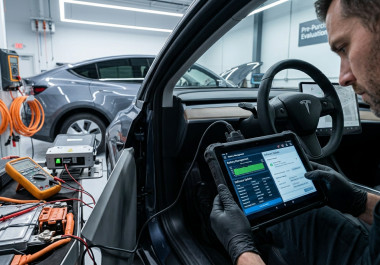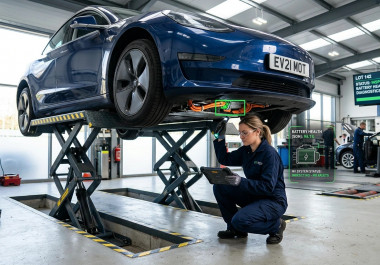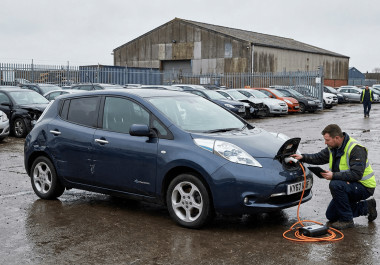
Browsing vehicle auctions online has become second nature for many businesses and individuals across the UK. Crisp, high-resolution photos from multiple angles, detailed descriptions, damage reports, maybe even walk-around videos, and the ability to bid in real-time from your desktop or phone – it's a slick, efficient process we often take for granted.
Platforms like Raw2k have perfected this experience, connecting buyers with exactly the vehicles they need every day. But cast your mind back, way back, to the dawn of the commercial internet. Think late 1990s, early 2000s. Remember the hypnotic (and often frustrating) screech of a dial-up modem connecting? The agonising wait for a single picture to load, line by painstaking line? It was a different digital world. Now, imagine trying to buy a car, perhaps even a fleet vehicle for your business, through that internet. It sounds almost prehistoric, doesn't it? Yet, this is the era where the concept of the First Online Car Auction started to flicker into existence. Let's take a trip down memory lane and explore the humble, often clunky, beginnings of buying cars online, tracing the heritage that led to the sophisticated platforms we use today.
Echoes from a Dial-Up Past: The World Before Broadband Auctions
Before we picture the auctions themselves, let's set the stage. The late '90s and early '00s internet wasn't the always-on, multimedia powerhouse it is today.
The Speed (or Lack Thereof): Connections were predominantly dial-up, measured in kilobits per second (Kbps), not the megabits (Mbps) or even gigabits (Gbps) we enjoy now. These dial-up connections meant downloading a single grainy photo could take minutes. Video was practically science fiction for most users. I still remember the family arguments if someone picked up the phone while you were trying to load a webpage!
The Look: Websites were built with basic HTML. Think simple text, blue hyperlinks, maybe a few static, pixelated images (GIFs were cutting edge!). Functionality trumped aesthetics by a country mile. Professional web design was in its infancy.
The Access: Not everyone was online. Having a home computer with internet access was becoming more common, but it wasn't ubiquitous. Many businesses were still tentatively exploring email, let alone online procurement.
Meanwhile, traditional car auctions were thriving hubs of activity. Picture the scene: crowded auction halls, the rapid-fire patter of the auctioneer, buyers physically inspecting vehicles, kicking tyres, peering under bonnets. It was tangible, noisy, and required you to be there. The idea of shifting this sensory, trust-based transaction onto a slow, text-based internet seemed audacious, maybe even foolish, to some. Why bother?
Sparks of Innovation: Why Even Try Online Auctions Back Then?
Despite the technological hurdles, the seeds of online auctions were sown. Why?
Efficiency Potential: For dealers and fleet managers, the prospect of sourcing vehicles without spending days travelling to physical auctions was appealing, even in a basic form.
Wider Reach: Theoretically, an online listing could reach buyers beyond the local area, expanding the market.
Cost Savings: Reducing travel, time off the road, and potentially even staffing costs associated with attending physical sales was a motivator.
The Novelty Factor: The internet was new and exciting. Early adopters in the motor trade saw potential in exploring this new frontier. Companies like eBay were popularising online auctions for collectibles and smaller goods, paving the way for bigger ticket items. Specialist B2B platforms also began experimenting, laying groundwork for future industry shifts.
Through the Digital Keyhole: What Did Inaugural Online Auction Formats Look Like?
So, you've dialled up, navigated to one of these pioneering auction sites (perhaps after seeing an advert in a trade magazine). What greeted you? Forget the immersive experience of today. The inaugural online auction formats were likely stark and basic:
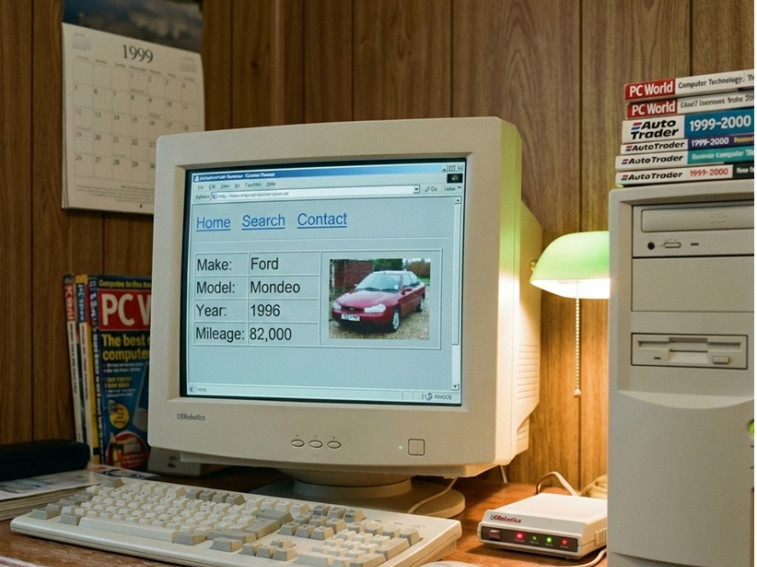
Dominated by Text: Imagine less of a gallery and more of a classified ad listing. The core information was text:
-
Make, Model, Year
-
Mileage (often just stated, with less emphasis on verified history)
-
Basic specification (engine size, fuel type, transmission)
-
A brief, sometimes vague, description of condition. Phrases like "runs well," "needs TLC," or "trade sale" were common, leaving much to the imagination. Detailed damage reports for salvage vehicles were rudimentary at best compared to today's standards.
Images: A Rare and Grainy Commodity: If you were lucky, the listing might include a photograph. But don't picture the multiple high-definition shots you see on Raw2k now. Think:
-
One or Two Photos Max: Often just a single external shot, sometimes poorly framed or lit.
-
Low Resolution & Small Size: To minimise loading times with slow dial-up connections, images were heavily compressed and physically small on the screen. Details were hard to discern. Forget zooming in effectively.
-
Inconsistent Quality: Taken with early digital cameras or even scanned from physical photos, the quality varied wildly. Interior shots, engine bay photos, or close-ups of damage were exceptionally rare. You were essentially buying blind compared to today.
Layout & Design: Function Over Form: The websites themselves were simple. Expect:
-
Basic HTML tables organising the text information.
-
Minimal graphics, perhaps just the auction house logo.
-
Navigation via simple text links. No fancy menus or interactive elements.
-
The colour palette? Likely the default grey background of early web browsers, with standard blue and purple links.
The Bidding Process: Patience Required! Real-time bidding with constantly updating prices was still a way off. Early systems were often more asynchronous:
-
Email Bids: Some early formats required you to email your bid.
-
Basic Forms: Slightly more advanced sites might have had a simple web form to submit your maximum bid.
-
Delayed Updates: You might not know immediately if you were the highest bidder. The system might update periodically (e.g., once a day), or you might receive an email notification later if you were outbid. Constant page refreshing was the name of the game.
-
Proxy Bidding (Early Forms): Some sites might have allowed you to enter your maximum bid, and their system would incrementally bid for you, but the feedback loop was slow. There wasn't the same adrenaline rush of a live online auction today.
It was a far cry from the dynamic, transparent bidding environments we see now on vehicle auction platforms covering the entire UK, from the South East to Northern Ireland.
Exploring the Pixelated Forecourt: Challenges of the Early Days
Buying a car through these primitive online auctions wasn't just about squinting at blurry photos; it came with significant hurdles:
The Trust Factor: This was huge. How could you trust the seller's description? Was the car pictured the car you'd get? Scams were a major concern. Secure online payment systems were less developed, making transactions feel risky. Handing over hundreds or thousands of pounds based on limited digital information required a massive leap of faith.
The Digital Divide: Only a fraction of potential buyers and sellers had reliable internet access or the technical skills to navigate these platforms. This limited the market size and liquidity compared to established physical auctions. Imagine trying to explain to an old-school mechanic why buying unseen online was a good idea!
Logistical Headaches: Okay, you won the bid. Now what? Arranging an inspection (often still necessary and negating some of the online convenience) and organising collection and transport based on patchy information and potentially distant sellers was complex. Communication relied heavily on phone calls and faxes to bridge the gaps left by the online platform. Finding hauliers willing to work under these conditions could also be tricky.
"Caveat Emptor" Online: The principle of "buyer beware" was amplified. With minimal visual information and less sophisticated vehicle history checks available online, the risk of buying something with hidden problems was much higher than today, where detailed reports and clear categorisation (like Cat S/N for salvage) are standard.
Think about sourcing vehicles for a business operating in the North West from a seller based purely on a listing originating somewhere in the West Midlands via one of these early platforms. It required serious nerve!
From Dial-Up Dreams to Digital Reality: The Raw2k Difference
Fast forward to today. The contrast between the First Online Car Auction era and Raw2k's current platform is night and day. The evolution has been staggering:
Visual Richness: Multiple high-resolution photos covering every angle, interior, engine bay, and specific damage areas are standard. Video tours are increasingly common.
Detailed Information: Comprehensive descriptions, specification lists, odometer readings, and crucially, clear salvage categorisation (where applicable) provide transparency. Modern digital cataloguing ensures every vehicle detail is documented and accessible.
Seamless User Experience: Intuitive website design, powerful search filters (by make, model, location, auction type), and easy navigation make finding vehicles for sale straightforward whether you're looking for cars, vans, or motorcycles.
Real-Time Bidding: Live auction clocks, instant bid updates, and sophisticated proxy bidding systems create a dynamic and engaging experience, replicating the urgency of a physical auction online.
Nationwide Access, Localised Search: Platforms like Raw2k offer access to vehicles across the UK, with options to filter by region, whether you're in Wales, Scotland, the North East, or elsewhere.
Trust and Security: Secure payment gateways, established reputations, clear terms and conditions, and dedicated customer support build confidence. Should you have questions about the platform, feel free to get in touch for assistance.
The grainy, text-heavy listings of the past have been replaced by information-rich, user-friendly interfaces that empower buyers.
The Enduring Legacy: Paving the Way
Despite their primitive nature, those First Online Car Auctions were crucial. They were the pioneers, testing the waters and demonstrating that there was an appetite for buying vehicles remotely. The inaugural online auction formats, clunky as they were, proved the concept:
They broke down geographical barriers, albeit imperfectly at first.
They introduced the idea of convenience and efficiency in vehicle sourcing.
They pushed the automotive industry to start embracing digital technology, from digital cataloguing systems to secure online payment platforms.
The challenges they faced – building trust, improving visual representation, streamlining logistics, enhancing security – drove the innovation that led to the sophisticated platforms we rely on today.
Appreciating the Journey
Thinking about what the First Online Car Auction looked like really puts today's technology into perspective. That grainy photo and basic description represented a bold step into a new digital frontier. While we might chuckle at the memory of dial-up speeds and pixelated images, it's worth appreciating the heritage and the evolution that brought us here.
The journey from those basic beginnings to the comprehensive, nationwide UK vehicle auctions available today showcases the incredible impact of technology on the motor trade. The core idea remains – connecting buyers and sellers efficiently – but the execution is worlds apart.
So next time you effortlessly browse high-res images of potential auction buys, spare a thought for the pioneers squinting at blurry JPEGs and taking a leap of digital faith. The evolution has been remarkable. Register to explore today's modern auction experience.