Transforming a damaged vehicle into a marketable asset demands precision and careful planning. The objective of salvage car restoration is to minimise input costs while achieving a professional standard that attracts the final buyer. It is crucial to approach every project with a clear business mindset, whether restoring one vehicle or managing a fleet. Examining the essential steps for project planning, repair strategy, and documentation is required to ensure buyers maximise their financial return.
Foundational Steps Before Lifting a Tool
Before investing any significant time or money into parts or labour, buyers must establish a rock-solid plan based on the vehicle’s existing condition and documentation. This initial phase defines the scope of the work and the realistic profit margin restorers can expect to achieve. Rushing this stage often leads to unexpected expenses that can quickly eliminate any potential profit. A successful repair to resell project begins not in the garage, but with diligent paperwork and a rigorous pre-purchase inspection.
The Essential Pre-Purchase Inspection
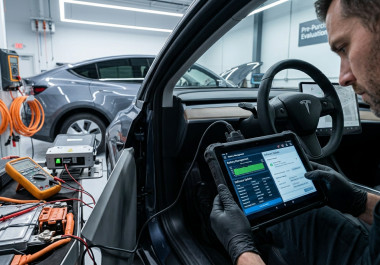
The restoration journey actually starts before securing the winning bid, by making the most of the digital listings. Buyers need to look for high-resolution images that clearly show the nature of the damage, especially to the suspension, frame, or engine bay. Cross-referencing the photos with the description is vital, confirming details like mileage and the assessor's notes on mechanical faults. This meticulous pre-purchase inspection helps avoid concealed damage that could derail the budget.
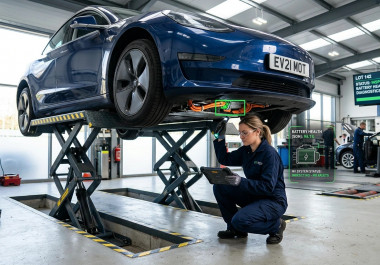
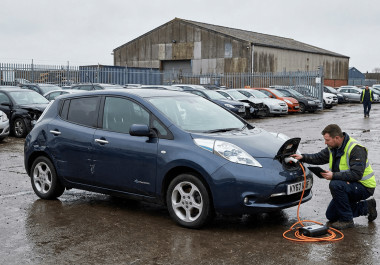
Once the vehicle is in the buyer's possession, conducting a thorough physical inspection to verify the report and uncover any secondary damage is necessary. Pay particular attention to fluid levels, signs of water ingress, and the condition of the electronics. Any discrepancies between the listing and the reality must be factored into the revised repair to resell budget immediately. Thousands of opportunities are available by browsing our salvage vehicle bidding platform to find the right candidate.
Calculating the Break-Even Point
Financial planning is the backbone of profitable salvage car restoration; the maximum expenditure must be set from the outset. Start by calculating all acquisition costs, which include the winning bid price, auction fees, VAT, and transport to the workshop. Next, estimate the cost of all required parts, factoring in the decision between new, used, or aftermarket components. Finally, secure quotes for all necessary labour, including specialist work like structural jig alignment or professional resprays. These principles apply to all stock within our write-off vehicles inventory.
The break-even point is the total of the acquisition costs plus the repair costs; the ideal minimum sale price should be significantly higher than this figure. Adding a robust contingency of at least 15% to the repair budget for unexpected issues is highly recommended. This disciplined approach means restorers always know the minimum price needed to achieve a successful project.
Strategic Repair: Focusing on Value and Safety
The most efficient way to achieve a maximum return is by prioritising repairs that directly impact the vehicle’s safety, legality, and aesthetic appeal in that specific order. Buyers are naturally more willing to pay a premium for a vehicle they perceive as safe and reliable, backed by proper certification. Efforts should focus on restoring the car to the legal minimum standards required for a successful MOT. Avoid overspending on non-essential upgrades unless they provide a proven return on investment.
Prioritising Category S and N Repairs
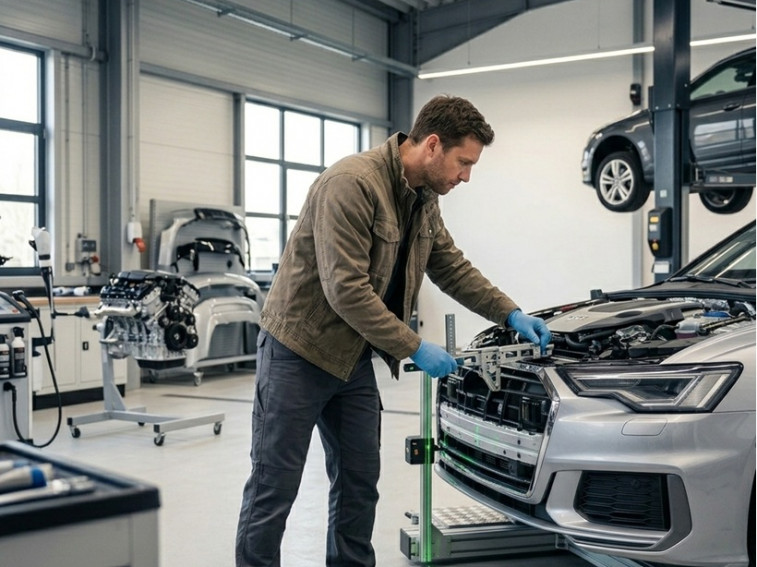
Repairs to Category S vehicles must always focus first on chassis integrity and alignment using professional jigging equipment. This structural work is non-negotiable for safety and will require a structural repair certification from an engineer before the vehicle can return to the road. Category N vehicles require less complex labour, concentrating instead on replacing damaged bolt-on panels, mechanical components, or faulty electronics. The required labour for Category S vehicles is inherently more expensive and complex than for Category N vehicles, demanding a different level of expertise.
For instance, a buyer sourcing used equipment from commercial auctions must focus on ensuring the drivetrain and braking systems are robust. Conversely, someone dealing in small two-wheel vehicles from salvage motorbike auctions will focus more on cosmetic fairings and suspension alignment. Regardless of the vehicle type, all repairs should be executed to a high, verifiable standard.
Sourcing Parts for Efficiency
The cost of replacement parts significantly influences the overall profitability in any salvage car restoration project. Savvy restorers often source high-quality used parts from breakers or specialist suppliers rather than buying brand-new original equipment. Used parts, particularly for non-safety-critical components like interior trim or infotainment systems, can drastically reduce costs without compromising final quality. Establishing a reliable network of suppliers who can consistently provide functional parts is crucial.
Alternatively, consider the availability of aftermarket parts for popular models, as these can offer a cost-effective alternative to OEM parts for common consumables like bumpers or headlights. If restorers are looking for components regionally, checking regional salvage inventory centres can help keep logistics costs manageable. Always verify that any structural or safety-critical components used meet the necessary safety standards and are compatible with the specific make and model.
Certification and Documentation for Resale
No matter how pristine the completed restoration, the documentation package is what ultimately justifies the price and builds trustworthiness with the buyer. A potential customer needs to see proof that Category N vehicles are legally compliant, and that all repairs have been properly handled post-accident. This focus on verifiable history is the best way to secure a maximum price and speed up the sale. Treat the service file as a professional portfolio for the vehicle.
The Importance of Independent Certification
Category S vehicles must undergo a comprehensive inspection to prove that the structural damage has been repaired to a safe standard. This essential step ensures the car is roadworthy and provides the necessary structural repair certification. Maintain detailed records of every structural repair, along with invoices from the certified repair shop that carried out the work. This transparent approach, showing a commitment to safety and compliance, immediately elevates the vehicle’s perceived value over similar restored models.
Ensure the V5C logbook is promptly updated with the DVLA after purchase, especially if the vehicle was previously deemed a total loss. Errors or delays in securing the correct paperwork can seriously hold up a profitable sale.
Creating a Comprehensive Service File
When selling the vehicle, the documentation package should be as impressive as the car itself, acting as a testament to the quality of the repair to resell process. A complete service file should include the original auction listing details and assessor’s report, all parts invoices, photographic evidence of the repair process, and any structural repair certification. Buyers are much more comfortable purchasing a restored vehicle when they have a visual record of the work performed, providing details similar to comprehensive vehicle salvage resources.
Consider the situation where a private buyer views two identical restored cars: one with a vague history and another with a neatly organised folder showing every step of the salvage car restoration. The documentation provides the confidence that translates directly into a higher selling price.
Maximising Appeal Through Presentation
The final presentation of the restored vehicle should make it indistinguishable from a standard used car that has not been written off. This attention to detail demonstrates professionalism and justifies the premium price point. Focus on areas that the average buyer will inspect first, as these initial impressions are difficult to overturn.
This includes a full professional valet, including steam cleaning the engine bay and detailing the interior carpets and plastics. Address all minor aesthetic flaws, such as paint chips, scratched alloys, or faded headlight lenses, as these are easy fixes with a high perceived value. By focusing on these finishing touches, restorers ensure that the car sells quickly and for the highest possible price.
Conclusion: Driving Restoration Success
Transforming a vehicle purchased through RAW2K salvage auctions into a high-value asset is a highly achievable business model, built on calculated risk and meticulous execution. By committing to a thorough pre-purchase inspection, maintaining strict budgetary control, and presenting an impeccable service history, buyers guarantee maximum profit potential. The process is straightforward: buy smart, execute the repair to resell strategy, and document everything.
If clarification is needed on any specific salvage code or collection terms, please reach our customer service. To access upcoming auctions and secure the next project, sign up for auction access today.