The sight of a low-mileage prestige model listed at an incredible price can be tempting, but when the listing mentions a flood history, caution is essential. Evaluating flood damaged cars requires specific knowledge. Water damage is perhaps the most deceptive defect found in the auction environment, concealing deep, systemic problems beneath a potentially clean exterior. Expert guidance helps both dealers and private restorers through the nuanced process of evaluating these high-risk, high-reward vehicles to ensure profitable car flood restoration. The focus must shift from the low hammer price to the total, realistic cost of bringing the vehicle back to a safe, roadworthy state.
Successful bidding and repair begin with forensic planning and a cold, hard look at the maximum water level the vehicle sustained. Many vehicles listed in the salvage market are excellent recovery projects, but a water-damaged vehicle demands a different type of risk assessment entirely. Do not let the potential savings blind you to the hidden expenses that mould, rust, and electrical failure will inevitably introduce.
The Unique Risks of Water-Damaged Vehicles
Unlike impact damage, which is visible and quantifiable, water damage is insidious, creating progressive corrosion that can affect a vehicle for years. Even a short exposure to standing water can compromise safety systems and electrical reliability. Understanding where the water reached is the single most important factor in determining the viability of flood damaged cars.
Understanding Different Levels of Immersion
The line between repairable damage and terminal write-off is often drawn based on the height of the water line inside the vehicle. If the water did not reach the carpets, the damage is likely minor, often classified among Category N vehicles, possibly only affecting exterior lighting or brake components. However, once the water breaches the cabin floor, the complexity escalates immediately. When water reaches the dashboard, which houses the engine control unit and wiring loom, the financial calculation drastically shifts against restoration.
The most dangerous cases are when the water reaches the engine air intake, leading to hydrolock, where the engine attempts to compress non-compressible water. This specific failure usually results in bent connecting rods or a cracked engine block, making the vehicle almost certainly uneconomical to repair. For these reasons, water-damaged vehicles must be viewed through the lens of worst-case scenarios.
The Hidden Threat of Corrosion and Mould
Water is only half the problem; what the water leaves behind is the greater threat. Rust is progressive and relentless, attacking structural components, brake lines, and suspension mounts long after the vehicle has dried out. This is why Category S vehicles with flood history are often categorised as a total loss by insurers, even if the structural frame itself was not immediately damaged.
Mould and mildew can quickly colonise the upholstery, carpets, and air conditioning ducts, creating a lingering health hazard. Remedying these biological threats often requires completely stripping the interior, treating all metal surfaces, and replacing the affected fabric, which is extremely labour-intensive. This is critical for vehicles intended for resale or personal use.
Essential Pre-Bidding Evaluation and Costing
If a water-damaged vehicle is being considered, the bidding strategy must be anchored in extreme conservatism regarding potential costs. Never assume the damage is less severe than advertised; assume the worst and price the bid accordingly. This strict budgeting protects the profit margin and avoids emotional bidding. Thousands of opportunities are available by browsing the online salvage vehicle auctions before committing to a final budget for your next car flood restoration.
The Documentation and Category Check
The insurance write-off status must always be verified before placing a bid. Water-damaged cars are often recorded as Category S vehicles due to the long-term corrosion threat to the chassis, or Category N vehicles if the damage was limited to electrics or interior. Understanding the category is crucial because Category S vehicles require a formal inspection and re-registration after the car flood restoration is complete.
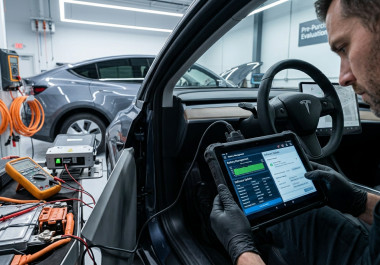
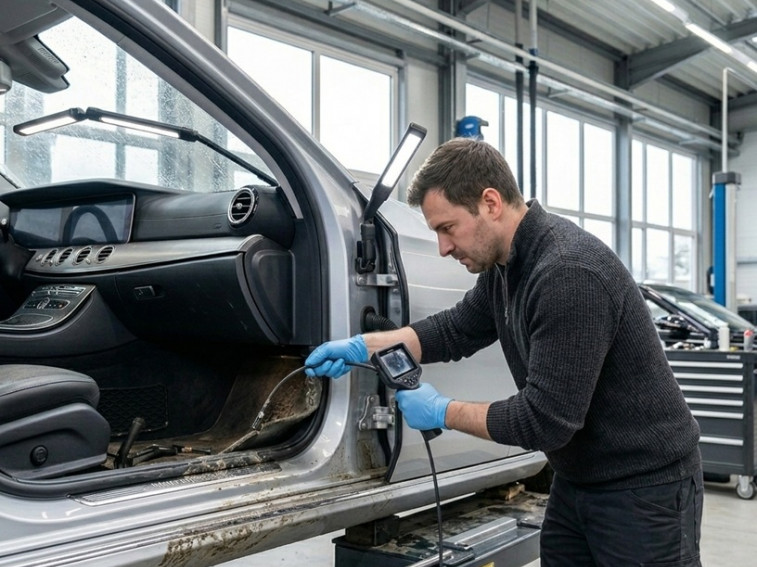
Examine the provided images closely, looking for water lines on interior plastics, silt in the engine bay, and signs of rapid drying. High-water marks on seatbelt webbing or inside door panels are common visual evidence that the water breached the seat level, indicating a high likelihood of necessary loom and component replacement. Checking the insurance write-off status guarantees you understand the legal requirements ahead.
Calculating the Restoration Budget
When budgeting for a project like this, the 50% Rule is useful: estimate the cost of the major parts and labour, then immediately double that amount for unexpected electrical and corrosion issues. Electrical systems are particularly expensive to repair, given the reliance on complex, integrated modules. This is a key principle taught to dealers who regularly source high-volume repairable salvage cars.
The restoration budget should explicitly factor in these points:
-
Electronics and Wiring: Replacement of the main wiring loom, ECUs, and sensor modules.
-
Interior Stripping: Labour costs associated with removing, cleaning, and sanitising all carpets, padding, and seats.
-
Mechanical Flushing: Replacement of all fluids, filters, and checks for rust in the fuel tank and lines.
-
Long-Term Corrosion Treatment: Costs for applying professional rust inhibitors to hidden chassis cavities.
When the estimated restoration cost exceeds 70% of the vehicle’s market value when fully repaired, walking away is usually the most financially sound decision. If a vehicle is beyond economical repair, utilising an end-of-life vehicle disposal service is the logical alternative. Use proxy bidding to ensure the calculated maximum is never exceeded.
Practical Steps for Successful Car Flood Restoration
Once the vehicle is secured, immediate action is necessary to prevent further deterioration from mould and rust. The quicker the drying and dismantling process starts, the better the chances of a successful car flood restoration. This early intervention is non-negotiable for anyone serious about restoration.
Prioritising Electrical and Interior Remediation
Immediately disconnect the battery to prevent short circuits and electrical system damage. Attempting to start a wet vehicle can fatally damage the expensive ECU units. The next priority is stripping the interior, pulling back carpets and removing seat fabrics to allow the inner padding to fully dry, ideally with industrial dehumidifiers.
Professionals often find that simply cleaning components is not enough; critical electronic modules must be replaced entirely. Do not underestimate the difficulty of locating and replacing a full wiring loom, which is often integrated throughout the vehicle structure. This task requires expert knowledge and patience.
Mechanical and Fluid Systems
The engine must not be started until confirmation is made that there is no water in the cylinders or oil pan. All fluids, including brake fluid, must be flushed and replaced as water contamination can lead to catastrophic failure. Check all pulleys, bearings, and suspension components for rust, which may require replacement to ensure road safety. Remember that sourcing parts for a specific model located at one of the regional salvage auction sites in Scotland may require time, so factor that into the collection schedule.
Making the Final Decision and Next Steps
The decision to buy and restore flood damaged cars is a business calculation, not an emotional one. If dedicated workshop space, time, and specific mechanical expertise are available, Category N vehicles can offer substantial value. Private buyers, however, often struggle with the complexity of modern vehicle electrics and the long-term threat of rust. They may find much better value in non-damaged cars or vehicles with straightforward mechanical issues, rather than tackling the uncertainties of water damage. Focus efforts where expertise and resources offer the clearest path to profit or use. Consult a comprehensive salvage auction guide to further inform your strategy.
If there is uncertainty about the details of a specific lot's damage or clarity is needed on the insurance write-off status before placing a bid, the customer support team is available. Guidance on registration, payment, or collection details can always be obtained. Successful auction participation depends on accurate information and confident decisions.
Remember that the goal of buying from the RAW2K platform is to secure repairable inventory at competitive prices. By applying this disciplined assessment to water damage, the high-potential salvage projects can be effectively separated from the money pits, ensuring the bidding strategy remains profitable. To begin sourcing your next project, create your bidding account to access the upcoming auctions today.