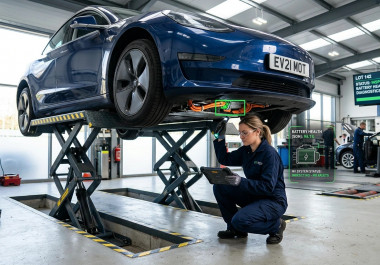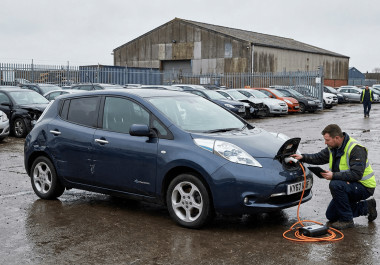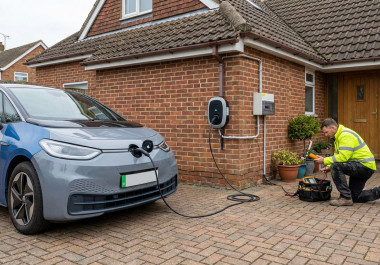
Three Cat N hatchbacks have been spotted. All have similar mileage, and all end tonight. One vehicle is £200 cheaper but missing keys, another features comprehensive photography, and a third offers a vague description but sits locally. How do buyers choose?
Most auction buyers make the mistake of viewing vehicles one at a time. They bounce between tabs, trying to remember which car had a clean interior and which one needed a new bumper. That is exactly how details get missed, and it is precisely how overpaying happens.
Professional buyers have developed strict systems for sourcing stock. It is not complicated, but it works. When buyers compare salvage vehicles simultaneously, they build a structure that lets value be assessed quickly so the best opportunities are spotted before the hammer falls.
Understanding how to evaluate multiple listings systematically helps identify optimal purchases from a sea of similar options.
Why Comparing Vehicles Side-by-Side Changes Everything
Looking at salvage cars individually is like shopping for houses by viewing one property per week. Details get forgotten, and perspective on true value gets lost. When buyers compare salvage vehicles simultaneously, vital market patterns emerge.
It becomes obvious that one seller always provides detailed photos while another uploads three blurry shots. Buyers will spot that vehicles from certain locations consistently come with keys and paperwork. It quickly becomes clear which damage categories genuinely affect value and which are overpriced.
A mate once spent £3,200 on a Cat S BMW because he viewed it in complete isolation. Two lots later, an almost identical model with lighter damage sold for £2,400. He would have saved £800 if he had evaluated the market properly.
The goal isn't just participating in salvage vehicles auctions. It is buying the right vehicle at the right price using a factual, objective approach.
Building Your Vehicle Comparison Framework
Start with a simple spreadsheet or a notepad. Buyers need somewhere to record key details for every vehicle being considered.
A reliable vehicle comparison framework requires recording the make, model, salvage category, and mileage. Buyers must also log the current bid, key availability, location, and a brief damage summary.
This takes about two minutes per vehicle to complete. However, those ten minutes of preparation work will save buyers from costly mistakes. Using a proper vehicle comparison framework keeps emotions out of the bidding process and ensures decisions are based purely on data.
Assessing Damage Categories First
Not all salvage categories are created equal. A Cat N vehicle might need £300 of cosmetic work, while a Cat S could require £2,000 in structural repairs. Start by grouping shortlisted vehicles by their specific category.
Cat N vehicles represent the lowest risk. The damage is cosmetic, meaning dented panels, scratched paint, or interior damage, while the structure remains sound. Cat S vehicles involve structural damage, which means chassis repairs or suspension mounting issues. If evaluating two similar cars, the Cat S must be significantly cheaper to justify the extra risk.
Unrecorded damage sits in a grey area. These vehicles have sustained damage but completely bypassed the official insurance claims process. Compare these carefully against categorised vehicles, as they can sometimes hide severe problems.
When evaluating any salvage car for sale uk listings, the category is always clearly marked. Use that classification as your primary filter to safely narrow down options.
Breaking Down True Repair Costs
This stage is where most amateur buyers go wrong. Guessing at repair costs leads to failure. Assuming leads to failure. Buyers must get specific. For each vehicle on the shortlist, list the visible damage and assign realistic figures.
If unsure, ring local body shops and ask for ballpark figures. Most will provide rough estimates over the phone if the damage is described accurately.
A typical breakdown might look like this: a front bumper replacement at £150, a bonnet respray at £200, a headlight unit at £80, and labour at £300. That brings the total estimated repair to £730. Accurate repair cost calculations prevent overbidding on heavily damaged stock.
Compare that to a rear quarter panel repair at £400, a rear light cluster at £60, and boot alignment at £100. The second vehicle's repair cost calculations total £560. Suddenly, the second vehicle looks far more attractive, even if the current bid is slightly higher. Buyers must compare the actual cost-to-road figures, not just the auction prices.
Calculating Your Maximum Bid
Once the repair cost calculations are completed, work backwards from the retail value to find the absolute maximum bid. Check current market prices for the same make and model in good condition using mainstream classifieds.
Find at least three comparable vehicles and average the prices. If the retail market value sits at £8,000, deduct the £560 repair estimate, a £1,000 minimum profit margin, and £400 for auction fees and transport.
That leaves a strict maximum bid of £6,040. If the bidding heads above that number, walk away. There is always another car. In some cases where damage is too severe, evaluating its basic scrap my car value might be the safer exit strategy. Do this calculation for every single vehicle being evaluated to prevent accidentally paying retail prices for damaged goods.
Using Location as a Comparison Factor
Location affects the total cost more than most buyers realise. Vehicles located 200 miles away require transport, which typically adds £150 to £300 depending on the recovery company and urgency.
If evaluating two similar vehicles and one is local while the other is in Scotland, the local car can command a £300 higher bid and still work out cheaper overall. Furthermore, personally collecting a local vehicle drastically cuts down on expensive third-party transport fees and reduces logistical headaches.
When comparing stock for commercial buyers, location is frequently the deciding factor. A Cat N van sourced from car auctions north west that can be collected personally beats a slightly cheaper one across the country once transport time and fuel are factored into the equation.
Photo Quality Tells You About the Seller
Photo quality reveals seller reliability. Sellers who upload 20 clear photos from multiple angles, including underside shots and close-ups of the damage, demonstrate professional transparency. They have likely described the damage accurately.
Sellers providing three blurry photos taken from ten feet away raise immediate red flags. What exactly are they hiding?
Essential photo types include underside shots to check for hidden structural damage, interior condition photos, and engine bay close-ups to check for missing components. Vehicles with comprehensive photography almost always turn out to be safer bets, even if they are not the absolute cheapest on the platform.
The Keys and V5C Document Factor
Missing keys and logbooks are not deal-breakers, but they represent hard costs that must be factored into the evaluation. Replacement keys for modern vehicles with immobilisers run between £150 and £400 depending on the manufacturer.
A V5C replacement from the DVLA costs £25 and takes about a week, which delays the ability to tax, repair, and use the vehicle. Considering V5C replacement times is crucial for trade buyers looking for a fast turnaround.
Buyers are frequently seen chasing the cheapest lot, only to discover they need two new key fobs and a V5C replacement, suddenly making that bargain incredibly expensive. When evaluating similar vehicles, the ones with keys and documents can be £300 more expensive on the hammer price and still represent better overall value.
Mileage vs Damage Severity
Low mileage does not automatically mean better salvage market value. A three-year-old car with 15,000 miles and severe damage might be a substantially worse investment than a five-year-old car with 60,000 miles and cosmetic damage.
Low-mileage salvage often indicates serious accidents. The car has barely been used, yet it is a complete write-off, which suggests a severe structural impact. Higher-mileage Cat N vehicles are frequently written off for economic reasons, meaning the repair cost exceeded the depreciated value, but the actual damage is minor.
When evaluating vehicles, look closely at the mileage-to-damage ratio. A well-used car with light damage often makes far more financial sense than a barely driven wreck.
Setting Up Alerts for Multiple Vehicles
Details matter when hunting for specific replacement parts. Set up alerts for target makes and models so notifications happen when fresh stock arrives.
Alert parameters should include specific makes, salvage categories, and price ranges that fit the budget. This way, buyers compare salvage vehicles strategically as a group, rather than making panicked snap decisions on single lots.
Search filters let buyers narrow down inventory by category, location, and vehicle type, ensuring they are only comparing relevant options. For instance, if you are specifically tracking commercial vehicles, filtering for uk van auctions lets you evaluate all relevant available stock in one place without wading through hatchbacks.
The Auction End Time Strategy
When evaluating multiple vehicles, note the auction end times. Ideally, target listings ending on different days so bidding on first choices becomes possible, and if losing, moving sequentially to backup options.
If all the targeted lots end within hours of each other, prioritising will be necessary. Rank them using your comparison frameworks, then focus the capital on the top choices. Avoid spreading funds thin by trying to win all of them simultaneously.
Creating a Numerical Decision Matrix
Common Comparison Mistakes to Avoid
For serious buyers evaluating five or more vehicles simultaneously, a numerical decision matrix cuts through the noise. Score each vehicle out of ten for key criteria.
Score the damage severity, where ten is minimal and one is extensive. Score the photo quality, completeness of documentation, location convenience, and current bid value.
Total the scores. The highest-scoring vehicles become the priority targets. It is objective, it is fast, and it completely removes emotional decision-making from the process.
The single biggest mistake is comparing the auction price alone. Smart buyers do not buy the cheapest cars; they buy the best total value. Another common error is ignoring seller history. If a buyer has had good experiences with a particular vendor providing accurate descriptions, that reliability is worth factoring in.
Do not compare vehicles across wildly different categories either. A Cat S car is not directly comparable to a Cat N just because they are the same model, as the risk profiles are entirely different.
Finally, never compare a salvage vehicle directly to a pristine retail price without factoring in the repair journey. Understanding true salvage market value requires deducting all logistical and repair costs before determining if the profit margin is actually worthwhile.
When to Walk Away from All Options
Sometimes the best decision is choosing to bid on absolutely nothing. If the evaluation shows that all the vehicles are overpriced, damaged beyond repair capabilities, or missing critical documentation, wait for the next batch of inventory.
Salvage auctions run constantly, and there is always more stock arriving. Buyers often force a purchase simply because they invested time in the research, even when the numbers do not stack up. That is exactly how money gets lost.
The evaluation process should clearly state whether a vehicle is worth buying. If the answer is no across the board, close the tab and move on.
Bringing It All Together
Evaluating salvage vehicles side-by-side is not about creating overly complicated spreadsheets or suffering from analysis paralysis. It is about having a clear system that lets value be assessed quickly and objectively.
Start with the damage category, calculate the true repair costs, factor in the location and documentation, and then work backwards from the retail market to find the maximum bid. Score each vehicle against consistent criteria, and let the numbers guide the final decision.
RAW2K specialises in salvage vehicle auctions, providing a platform where buyers can evaluate hundreds of listings to find the perfect fit. Understanding side-by-side evaluation helps buyers identify optimal purchases and protect their profit margins.
If you require clarification on documentation or collection rules before finalising your bidding calculations, feel free to contact us for guidance.
To start tracking and evaluating active inventory, register for salvage auctions and apply this vehicle comparison framework to your next purchase.