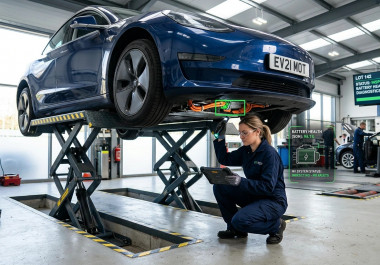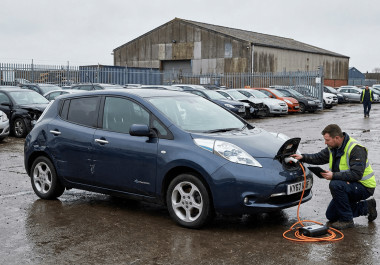
Selling your current vehicle means choosing between speed, convenience, and the amount of cash you get back. For many people, evaluating a car dealer vs auction route can feel confusing. However, weighing your options carefully helps you find the best vehicle disposal method for your specific timeline. By understanding how each option works and what it costs, you can easily choose the route that puts the most money in your pocket.
The Convenience of the Car Dealer Trade Sale
When comparing an auction vs trade sale, selling directly to a dealer is often the easiest path to take. This route is perfect for people who want speed, certainty, and as little effort as possible. Essentially, you are trading the hassle of advertising and negotiating for a quick, guaranteed price. However, this convenience does come at a cost. Usually, you will receive a lower final offer than the car's true market value, strictly based on a standard dealer trade-in valuation.
Speed and Simplicity of the Process
The biggest advantage of selling to a dealer is how incredibly fast the transaction happens. Once you agree on a dealer trade-in valuation, the paperwork is usually sorted out right on the spot. This is especially true if you are trading the car in for a newer model. As a result, this streamlines everything and lets you drive away without the hassle of listing ads or haggling with strangers.
After the handover, the dealer takes care of all the hard work, from valeting the car to finding the next buyer. If you urgently need to free up driveway space or complete a fast purchase, this route is ideal. For example, a business owner looking to quickly sell an unused fleet vehicle will love the immediate resolution of a trade sale. You skip the wait for bidding to close and jump straight to a simple exchange of keys for cash.
Guaranteed Price and Immediate Cash
When you accept a cash offer or trade-in from a dealer, that price is locked in and immediately available. This gives you a level of financial certainty that the variable nature of an auction simply cannot offer. You know exactly what you will receive, which makes budgeting for your next car much easier. Furthermore, this solid guarantee removes the worry of an auction hammer price failing to meet your expectations.
By offering instant cash, the dealer takes on the risk of the vehicle needing hidden repairs or sitting unsold on their lot. Naturally, they price their offer to cover these potential risks. While the final figure might fall below the true retail value, the instant payment is highly reliable. Ultimately, this guaranteed payout appeals to people who want to avoid the unpredictable swings of competitive bidding.
Unlocking Potential Value with the Vehicle Auction
Disposing of your vehicle through dedicated vehicle auctions opens your doors to a massive, active marketplace of professional buyers. While this route requires a bit more patience than a quick dealer trade-in, it offers a huge financial advantage. When multiple buyers want your car, competitive bidding naturally drives the final price up. Instead of accepting a single dealer's strict profit margin, you let actual market demand determine the true worth of your vehicle. This is a crucial factor to consider when evaluating the car dealer vs auction dilemma.
Accessing a Wide Network of Buyers
Auctions bring in thousands of registered buyers, ranging from professional dealers to salvage experts and private mechanics. Because of this massive exposure, your vehicle is seen by the exact people who actively want to buy it. In contrast, a local dealer is just one person making an offer based purely on what their specific forecourt needs today.
This massive network ensures that even quirky or niche vehicles find an audience willing to pay top dollar. This is incredibly effective for distinct categories, like buyers browsing motorcycle auctions for rare parts. For example, a local dealer might reject a high-mileage van, but a trade buyer looking for cheap commercial spares will eagerly bid on it. This competitive environment pushes the final auction hammer price as high as possible. You can even track this success across busy regional auctions to see what similar vehicles are selling for.
The Potential for Higher Returns
The biggest advantage of the auction vs trade sale model is the genuine chance to beat a dealer's initial offer. When multiple buyers want your car during a live auction, their competitive bidding naturally forces the price higher. This works exceptionally well for desirable models or vehicles with low mileage that immediately catch people's attention. In an auction, the open market sets the price, rather than a dealer's strict profit calculator.
While you do have to pay seller fees at an auction, the boosted auction hammer price usually covers these costs easily. As a result, you often walk away with a much higher net profit than you would from a straight trade-in. This is especially true for moderately damaged but rare cars. Dealers offer very little for damaged cars, but enthusiastic auction bidders will fight over them, driving the price up. Ultimately, this fierce competition is why so many people choose this specific vehicle disposal method. If you decide to go the auction route to reach thousands of active buyers, using a professional disposal service like RAW2K is the smartest move. Their established systems guarantee a smooth handover process and totally secure payments.
Key Factors in the Auction vs. Trade Sale Decision
To make selling your vehicle as stress-free as possible, you must look beyond just the initial price tag. You also need to consider how much time you have and the honest condition of the car. The right choice always depends on your personal situation and what kind of car you are selling. Ultimately, you must decide if your car belongs on a polished forecourt or in a car dealer vs auction setting that thrives on diverse, competitive bidding.
Assessing Vehicle Condition and Appeal
Your car's physical condition is the biggest factor in deciding how to sell it. Dealers generally want cars that are in great shape and ready to go straight onto their forecourt. Because of this, they will heavily slash their offers if your car is a non-runner or needs extensive repairs. Auctions, on the other hand, gladly accept vehicles in any condition, including crash-damaged or non-running salvage cars.
If you are selling a damaged or written-off car, an auction network is almost always your best bet. Auctions attract specialist salvage buyers who have the tools and skills to fix these cars cheaply. They see damage as a normal part of their business, while a standard dealer just sees an expensive headache. Even if your car is simply very old and heading for salvage disposal, an auction provides the transparent platform buyers need to bid confidently.
Understanding Costs and Fees
Both selling routes come with costs, but they handle them very differently. With a trade-in, the fee is entirely invisible. The dealer simply factors their profit and preparation costs into the lower dealer trade-in valuation they offer you. They absorb all the risk, but you take the hit on the price.
At an auction, you will pay a clearly stated seller fee, which is usually a small percentage of the final auction hammer price. This fee covers everything the auction house does for you, from taking professional photos to marketing the car and securing your payment. To make the smartest choice, compare your direct dealer offer against the estimated auction price minus the fees. For popular or high-value cars, the auction route almost always leaves you with more money in the bank. If you have any questions about fees or how disposal works, feel free to contact our support team today.
Conclusion
Ultimately, choosing between a dealer and an auction comes down to your personal priorities. If you desperately need speed and immediate cash, a trade sale gives you a quick, guaranteed exit. However, if you are willing to wait just a little longer, an auction vs trade sale comparison shows that auctions clearly win. Auctions expose your car to fierce, competitive bidding, making them the best vehicle disposal method for maximising your cash return.
If you are looking to source replacement stock after your sale, register for vehicle auctions to explore our nationwide marketplace.