Vehicle damage tells a story, and understanding that story determines whether a car returns to the road or heads to the scrapyard. When assessing salvage vehicles at auction, the distinction between rear end damage and side impact damage shapes repair costs, safety concerns, and ultimate value in ways most buyers underestimate.
The salvage industry processes thousands of collision-damaged vehicles monthly across the UK. When browsing car auctions for collision damage opportunities, recognising impact patterns determines whether you'll encounter rear-end damage repair or side impact assessment challenges. Data from insurance assessors shows rear-end collisions account for roughly 32% of all traffic accidents, while side impacts represent about 27%. Yet these percentages don't reflect the full picture of repairability - the type of impact matters far more than frequency.
Why Impact Location Determines Repair Complexity
Modern vehicles use crumple zones designed to absorb collision energy. Manufacturers engineer these zones with specific impact scenarios in mind, prioritising frontal and rear impacts because they're most common. Side structures face different engineering constraints - they must protect occupants while accommodating doors, windows, and minimal crush space.
Rear end damage typically affects the boot floor, rear panel, bumper assembly, and potentially the rear chassis rails. These components sit in areas designed to deform predictably. Parts availability remains strong because rear-end collisions occur frequently, keeping aftermarket and OEM suppliers well-stocked.
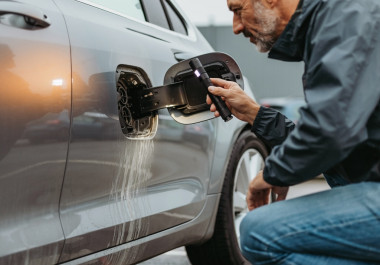
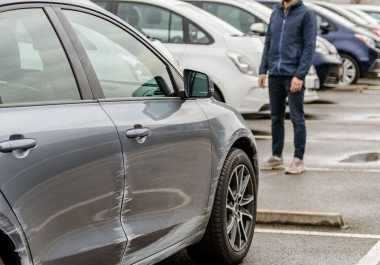
Side impact damage compromises B-pillars, door frames, sills, and roof structures. These aren't crumple zones - they're structural members that maintain cabin integrity. When bent or buckled, they require specialist straightening equipment or complete replacement. The roof structure alone, if damaged, can write off a vehicle due to the labour intensity of proper repair.
The Hidden Costs of Side Impact Repairs
A seemingly minor side impact can cascade into major expenses. Consider a typical scenario: a vehicle struck on the driver's side door at 30mph. The visible damage shows a crushed door and scratched paintwork. The hidden damage reveals itself on the alignment rack.
The B-pillar has shifted 8mm out of specification. The sill has buckled internally. The door aperture no longer matches factory dimensions, meaning replacement doors won't fit correctly without structural correction. This single impact now requires:
B-pillar straightening using dedicated jig equipment (£800-1,200 labour) Sill replacement or repair (£600-900 parts and labour) Door skin replacement (£400-600) Alignment verification and adjustment (£200-300) Paint and refinishing across three panels (£1,200-1,800)
Total repair costs easily exceed £3,200-4,800 before addressing potential mechanical damage to suspension components, which absorb side impact forces differently than rear impacts.
Compare this to equivalent rear end damage at the same speed. The boot floor dents, the rear panel creases, and the bumper assembly breaks. Repairs typically involve:
Rear panel replacement or straightening (£500-800) Boot floor repair (£300-500) Bumper assembly replacement (£400-700) Paint and refinishing (£800-1,200)
Total costs range from £2,000-3,200 - roughly 35-40% less than side impact repairs of similar severity.
Structural Integrity and Insurance Category Classifications
The Association of British Insurers (ABI) uses salvage categories that reflect damage severity. Category S (formerly C) indicates structural damage, while Category N covers non-structural damage. Side impact damage more frequently results in Category S classifications because it affects load-bearing structures.
Rear-end damage often remains Category N unless the collision extends forward into the rear suspension mounting points or fuel system. This classification difference affects resale value significantly. A Category N vehicle typically retains 70-80% of pre-accident value after proper repair, while Category S vehicles retain only 50-60%.
Buyers at salvage auctions understand this distinction. Bidding patterns show that equivalent vehicles with rear-end damage fetch 15-25% higher prices than side-impacted vehicles of the same model and mileage. When evaluating options at featured auctions, the category rating becomes a critical factor in valuation and profitability.
Parts Availability and Repair Timeline Differences
Rear-end components benefit from standardisation and high demand. Bumper assemblies, tail lights, and rear panels for popular models like the Ford Focus or Vauxhall Corsa ship from multiple suppliers with 24-48 hour delivery. Generic parts fit acceptably for many repairs, reducing costs further. This parts availability extends across passenger cars, van auctions, and commercial vehicles.
Side impact repairs demand more vehicle-specific components. B-pillars, sills, and door frames rarely have aftermarket equivalents meeting safety standards. OEM parts may require 1-2 weeks for delivery, extending repair timelines. For vehicles over eight years old, parts scarcity becomes problematic - some components simply aren't available, making proper repair impossible.
This parts challenge particularly affects salvage car buyers who purchase vehicles for repair and resale. A rear-end damaged vehicle might take 5-7 days to repair with readily available parts. The same timeline for side impact damage stretches to 15-20 days, tying up capital and workshop space.
Safety System Complications
Modern vehicles integrate safety systems throughout their structure. Side impacts frequently damage:
Side curtain airbags - Deployed bags require complete replacement (£600-1,000 per side), plus control module reset or replacement (£300-800) Seatbelt pretensioners - Side impacts trigger these single-use devices, requiring replacement (£200-400 per seat) Door-mounted sensors - Pressure sensors, intrusion detection, and side radar systems (£150-500 per door)
These safety considerations apply across all vehicle types, from cars to motorcycle auctions, where side impact protection varies significantly by design.
Rear-end collisions typically affect fewer safety systems. Unless the impact exceeds moderate severity, airbags don't deploy. Rear parking sensors and cameras may need replacement (£100-300), but these costs pale against side impact safety system expenses.
The safety system reset process adds labour costs. Technicians must use manufacturer-specific diagnostic equipment to clear fault codes, verify system operation, and document the reset. This process takes 2-4 hours for side impacts versus 30-60 minutes for rear-end damage.
Frame Damage Assessment Challenges
Side impacts create torsional stress - twisting forces that affect the entire vehicle structure. A side impact on the rear door area can transmit forces forward and backwards, potentially misaligning the front suspension or rear axle. This stress pattern makes damage assessment more complex.
Professional body shops use laser measuring systems or computerised jigs to verify frame dimensions. Side-impacted vehicles require measurements at 20-30 points to confirm structural integrity. Rear-end damage typically needs verification at 8-12 points, reducing assessment time and costs.
Hidden frame damage in side-impacted vehicles often emerges during repair. The initial assessment might show a bent B-pillar, but once straightening begins, technicians discover the roof rail has also buckled. These discoveries extend repair timelines and costs unpredictably.
Rear-end damage proves more straightforward to assess. The damage path follows predictable lines forward from the impact point. Experienced assessors accurately estimate repair scope within 10-15% accuracy. Side impact assessments carry 25-35% uncertainty until repairs begin.
Practical Repair Economics
A 2021 Volkswagen Golf with 32,000 miles suffered rear end damage from a 35mph collision. Assessment showed:
Rear panel replacement needed Boot floor straightening required Rear bumper assembly destroyed Both tail light clusters broken Exhaust system pushed forward but intact
Total repair costs: £2,850. Post-repair value: £11,200 (compared to £14,500 pre-accident). The vehicle sold at auction for £8,400, providing the buyer a £2,350 margin after repairs.
A comparable 2021 Golf with similar mileage suffered side impact damage at 30mph. Assessment revealed:
Driver's door and rear door replacement needed B-pillar straightening required Sill damage extending 40cm forward Side curtain airbags deployed Suspension geometry affected
Total repair costs: £4,650. Post-repair value: £10,500 (Category S classification reduced value). The vehicle sold at auction for £6,800, providing only a £1,050 margin - less than half the rear-end damaged vehicle's profit potential.
When Side Impact Damage Makes Sense
Side impact repairs become viable under specific conditions:
Low-speed impacts - Collisions under 20mph often damage only external panels without structural involvement. Door skin replacements and minor paint work keep costs manageable.
High-value vehicles - Prestige and luxury vehicles retain enough value post-repair to justify higher costs. A £40,000 BMW with £5,000 side impact damage still provides repair economics that work.
Parts vehicle availability - Access to donor vehicles for parts dramatically reduces costs. Salvage yards with matching models can supply structural components at 60-70% discounts compared to OEM prices when sourcing through vehicle auctions.
Specialist repair facilities - Shops with advanced jig systems and experienced technicians complete side impact repairs 30-40% faster than general body shops, improving project economics.
The Inspection Checklist for Salvage Buyers
When evaluating collision-damaged vehicles, assess these factors:
Check rear chassis rail alignment using a straight edge Verify boot floor hasn't buckled upward Inspect rear suspension mounting points for cracks or tears Confirm fuel tank and lines show no damage Test rear door operation if impact extended forward Measure door gaps at multiple points (should be 4-6mm consistently) Check B-pillar verticality with a level Inspect roof rail for waves or buckles Verify sill integrity by checking for internal crushing Test all doors for smooth operation without binding
Understanding vehicle recovery processes helps identify whether damage occurred during the initial accident or subsequent recovery operations. Recovery damage often complicates existing collision damage, particularly affecting undercarriage components.
Insurance Assessment Perspectives
Insurance assessors follow standardised protocols when evaluating collision damage. Their decisions about repair versus write-off significantly affect salvage auction inventory.
Rear end damage receives more favourable assessment because repair costs remain predictable. Assessors confidently authorise repairs up to 60-65% of pre-accident value for rear impacts. Side impact damage faces stricter thresholds - typically 50-55% of value - because hidden damage frequently emerges during repair.
This assessment bias creates opportunities for knowledgeable salvage buyers. Side-impacted vehicles often enter salvage markets despite being economically repairable because insurers apply conservative damage estimates. Buyers with accurate repair cost knowledge and reliable body shop relationships can profit from this assessment gap.
Market Trends Affecting Repairability
Vehicle design evolution affects collision repairability. Manufacturers increasingly use ultra-high-strength steel in side structures to meet safety standards. This material improves crash protection but complicates repairs - it can't be straightened using traditional methods and must be replaced entirely.
Rear structures still use more conventional steel grades that respond well to straightening and repair. This material difference widens the repairability gap between rear end damage and side impact damage.
Electric vehicle adoption introduces new considerations. Battery packs typically mount in floor structures, making side impacts potentially catastrophic for battery integrity. Even minor side impacts can require battery pack replacement (£8,000-£15,000), fundamentally changing repair economics.
Conclusion: Making the Repairability Decision
Rear end damage offers clearer repair paths, lower costs, and better profit margins for salvage buyers. The engineering, parts availability, and labour requirements all favour rear impact repairs over side impact work.
Side impact damage demands more expertise, carries greater uncertainty, and typically yields lower returns. It makes financial sense only when specific conditions align - low-speed impacts, high-value vehicles, or exceptional parts access.
For buyers entering the salvage vehicle market through RAW2K, rear-end damaged vehicles provide the most straightforward path to profitable repairs. The learning curve is gentler, the risks are lower, and the outcomes are more predictable. As experience grows, selective side impact repairs can expand your portfolio, but rear-end damage should form the foundation of any salvage repair business.
The collision type matters more than initial appearance suggests. A dramatically crumpled rear end might cost less and repair more successfully than a modest side impact. Contact us to discuss collision damage assessment strategies and access to quality inventory. Understanding these distinctions separates profitable salvage purchases from expensive mistakes. Register to bid and start exploring collision-damaged vehicles through our comprehensive auction platform.