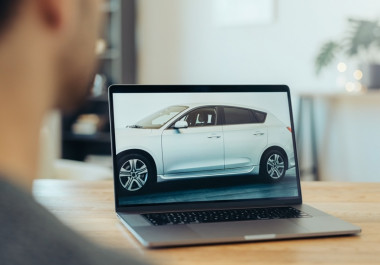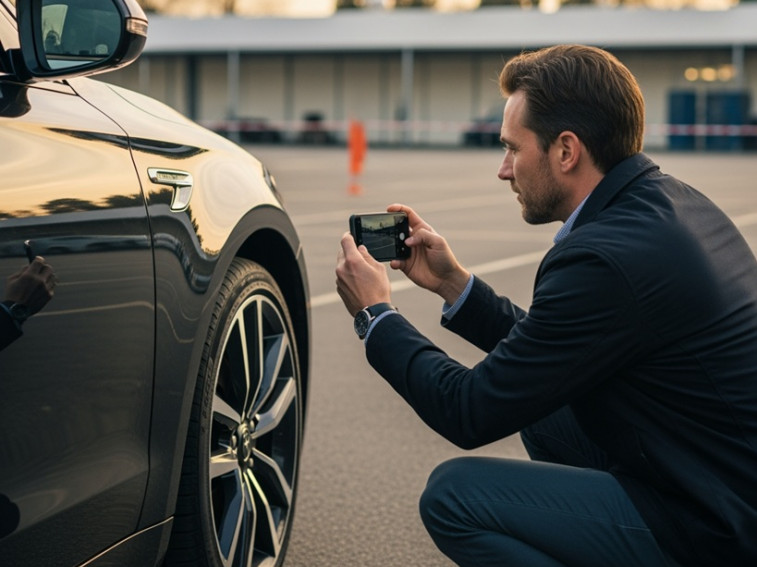
For online vehicle auctions, a picture isn't just worth a thousand words; it could be worth hundreds, maybe even thousands, of pounds on the final hammer price. For businesses, whether you're offloading end-of-life assets, selling repairable vehicles, or remarketing fleet cars, the photos you provide are your vehicle's handshake with potential buyers across the country. You can't physically show every bidder the car, but your images can do the job for you. That's why effective photographing cars for auction is absolutely crucial.
Think about it from a buyer's perspective. They are often making a decision remotely, relying heavily on the visual information you supply. Clear, comprehensive, and honest photos build trust, attract more interest, and ultimately lead to more confident bidding. Quality photography is a core part of a successful auction strategy. The essential steps of an auction car photography guide below provide principles that can make a real difference to your sale results on a platform like Raw2k.
The Visual Advantage: Boosting Your Auction Results
Why dedicate time and effort to vehicle photography before listing on an auction site? The impact on your business's bottom line and operational efficiency is significant:
Increased Buyer Confidence: Clear, detailed photos reduce uncertainty. Buyers feel more comfortable bidding when they have a strong visual understanding of what they are bidding on. This is especially true for vehicles that may have damage or require work.
Attracting More Bidders: High-quality images stand out in listings. More appealing visuals grab attention, drawing more potential buyers to your vehicle lot. More eyeballs mean more potential bids.
Higher Selling Prices: Increased confidence and competition naturally lead to higher final prices. Buyers are willing to bid more confidently when they feel they aren't taking a leap in the dark based on blurry or limited pictures.
Reduced Queries and Disputes: Accurate photographic representation manages buyer expectations. If you clearly show the condition, including any imperfections, you minimise questions before the sale and potential disputes after the sale. This saves your business time and resources.
Faster Sales Cycle: Vehicles with good photos tend to sell quicker because buyers can assess them rapidly and make decisions. This improves your business's cash flow and frees up space.
Investing time in photographing cars for auction isn't just about aesthetics; it's a strategic business decision.
Preparation is Key: Getting Ready for the Camera
Before you even pick up your camera or phone, a little preparation goes a long way. The goal is to present the vehicle clearly and honestly.
Cleanliness Counts
Even if the car is a salvage vehicle, a basic clean-up makes a difference. Remove obvious dirt, dust, and clutter. A quick wash of the exterior can highlight the paint condition (or lack thereof) and panel integrity. Inside, remove all personal items, rubbish, and vacuum the floor mats and seats. Clean windows improve interior shots. Remember, you're selling a vehicle, not the previous owner's forgotten lunch.
Position for Success
If possible, move the vehicle to a location that allows you to open all doors, the boot, and the bonnet fully. Ensure you can walk all the way around it comfortably.
Essential Gear: What You Need
Forget fancy studio equipment. For an auction car photography guide purposes, especially for general auction stock rather than high-end classics, your smartphone camera is likely more than adequate.
-
Smartphone or Digital Camera: Most modern phones have excellent cameras.
-
Microfibre Cloth: Handy for a last-minute wipe down of dusty surfaces or fingerprints.
-
Note Pad: To jot down any specific damage points you need to remember to photograph.
-
Optional: Tripod or Stabiliser: Can help keep shots steady, especially in lower light, but not essential.
-
Optional: Measuring Tape: Useful if you need to show the size of a specific area of damage.
Keep it simple. The focus is on using what you have effectively.
Choosing Your Stage: The Right Location
The background of your photos matters. You want the vehicle to be the focus, not the distractions around it.
Ideal Settings
A plain, neutral background is best. Think a clear section of your yard, an empty car park corner, or in front of a plain wall (if safe and permissible). The key is consistency if you're photographing multiple vehicles.
What to Avoid
Steer clear of busy roads, cluttered workshops, areas with harsh, patchy shadows, or locations where other vehicles are parked too close. You don't want buyers to be distracted or unable to see the whole vehicle outline clearly.
The Core Angles: Essential Exterior Shots
This is the fundamental requirement for photographing cars for auction. Buyers expect to see the vehicle from key perspectives. For an effective auction car photography guide, mastering these angles is step one.
Front Three-Quarter: Park the car with the front corner (e.g., front left) closest to you. Take a shot showing the front and the side clearly. Do this for both the front-left and front-right angles.
Rear Three-Quarter: Similar to the front, but positioned to show the rear and the side. Capture both rear-left and rear-right angles.
Side Profiles: Stand directly parallel to each side of the vehicle to show its full length.
Direct Front: Stand directly in front of the vehicle, capturing the whole front end.
Direct Rear: Stand directly behind the vehicle, capturing the whole rear end.
Take these shots from a consistent height, roughly waist to chest level, to give a realistic perspective. These exterior shot angles provide comprehensive vehicle presentation.
Getting Up Close: Detail Shots
Once the main angles are covered, zoom in on important details. These shots provide buyers with crucial information about the vehicle's condition and features.
Wheels/Tyres: Capture each wheel, showing the type of wheel (alloy, steel), the tyre condition, and ideally, the tyre tread depth (you can often show the wear indicators in a close-up).
Engine Bay: Open the bonnet and take a well-lit shot of the engine bay. It doesn't need to be spotless, but show the general condition, fluid reservoirs, and major components.
Interior – Dashboard: A clear shot of the dashboard is essential, particularly showing the mileage odometer. Ensure the picture is sharp enough to read the numbers. These interior photography lighting considerations ensure clarity.
Interior – Front Seats: Show the condition of the driver and passenger seats, highlighting upholstery wear or damage.
Interior – Rear Seats: Similarly, photograph the condition of the rear seating area.
Boot: Open the boot and photograph the load space. Show whether the spare wheel or repair kit is present.
Unique Features: If the vehicle has specific desirable features (e.g., a sunroof, a particular infotainment system, leather seats, a tow bar), capture these clearly.
These detail shots help buyers assess the overall condition and features accurately, which is vital for online buying.
Honesty Through Images: Photographing Damage or Imperfections
This is arguably the most critical part of an auction car photography guide when selling vehicles that aren't in perfect condition, such as salvage or damaged vehicles commonly found on Raw2k. Transparency builds trust.
Clearly Document All Flaws
Do not hide damage. Take specific, well-lit photos of every dent, scratch, rust patch, broken light, torn upholstery, or missing trim piece. These damage documentation photos ensure transparency.
Show the Severity
For damage, take a photo from a medium distance to show its location on the vehicle, and then a close-up to show the detail and severity. For dents, try to capture them from an angle that shows their depth.
Be Comprehensive
Buyers expect vehicles at auction to have some level of damage or wear. By showing it clearly, you manage their expectations upfront. This reduces the chances of a buyer raising a query or dispute after the sale because the condition wasn't as they perceived from limited photos. Honesty is key to a smooth transaction process.
Lighting It Right: Making Your Car Look Its Best
Good lighting is crucial for clear photos, but you need to use it wisely to show the vehicle accurately, not deceptively.
Natural Light is Best
Outdoor daylight is generally ideal. Aim for overcast conditions or take photos in the morning or late afternoon when the sun is lower in the sky. Midday sun can create harsh shadows and reflections.
Avoid Direct Sunlight
Direct, bright sunlight can cause glare, especially on paintwork, and create deep shadows that hide details. If you have to shoot in bright sun, try to position the car so the sun is behind you or to the side, or find a shaded area.
Be Consistent
Try to photograph all aspects of one vehicle in similar lighting conditions.
Step-by-Step: A Simple Process
Here's a straightforward process for photographing cars for auction:
-
Clean the vehicle (exterior and interior).
-
Gather your simple gear (phone, cloth).
-
Move the vehicle to a suitable, well-lit location.
-
Start with the core exterior shot angles (front/rear 3/4, sides, front, rear). Take multiple shots of each, choosing the best one.
-
Move around the vehicle systematically, taking detail shots of wheels, engine bay, interior, boot, and any specific features.
-
Methodically photograph all areas of damage or significant wear, taking both medium and close-up shots.
-
Review your photos as you go. Are they clear? Are they well-lit? Do they accurately represent the vehicle?
-
Upload the selected photos to the auction platform listing.
Following this simple process ensures you capture all the necessary angles and details for a compelling listing.
Inside Out: Capturing the Interior
The interior is just as important as the exterior for many buyers.
Use Light Effectively Indoors
Open the doors to let in light. For darker interiors or on cloudy days, you might need to carefully use a phone torch or external light source to illuminate areas like the footwells, but avoid harsh glare. Interior photography lighting techniques ensure visibility.
Key Interior Shots
Ensure you get clear photos of the dashboard (especially the mileage), front seats, rear seats, door cards, and the steering wheel. If there are specific features like a media screen, climate controls, or upholstery patterns, get close-ups.
Show Condition Accurately
Just like the exterior, photograph any rips, tears, stains, or excessive wear on the seats, carpets, or trim.
Beyond the Basics: Optional Shots
For some vehicles, additional photos can provide extra value:
Underside: If possible and safe (e.g., using a ramp), photos showing the condition of the underside can be valuable, especially for older or potentially rusty vehicles.
Paperwork: A clear photo of the V5C (logbook - ensure sensitive details are obscured) or service history can add credibility.
Keys: Show how many keys are available.
These aren't always necessary but can enhance a listing.
Putting Your Photos to Work on Raw2k
Once you've taken your photos, uploading them to your vehicle listing on Raw2k is the final step. The platform displays these images prominently, allowing buyers to browse through them as they consider placing a bid. High-quality, comprehensive photo sets are particularly important for vehicles listed under various categories, from standard vehicle auctions to specific motorcycle auctions or van auctions. They provide buyers, who might be anywhere in the UK, the confidence they need to make a purchasing decision without physical inspection.
Finding the Right Auction for Your Photographed Vehicle
Once your vehicle is looking its best through your effective photography, you need to choose the right auction on Raw2k for your listing. The platform offers various options depending on the type of vehicle you are selling and potentially its location.
Explore the types of auctions available to ensure your well-photographed vehicle reaches the most relevant audience:
-
Vehicle Auctions
-
Motorcycle Auctions
-
Van Auctions
You can also list vehicles in auctions specific to certain regions, which might attract local buyers interested in collecting or viewing the vehicle:
-
Vehicle Auctions - South East
-
Vehicle Auctions - North East
-
Vehicle Auctions - North West
-
Vehicle Auctions - Wales
-
Vehicle Auctions - West Midlands
-
Vehicle Auctions - Northern Ireland
-
Vehicle Auctions - Scotland
Choosing the appropriate auction type and location helps maximise visibility for your listing. Understanding vehicle condition reports alongside your photography helps buyers make informed decisions.
Need Help? Getting Support
If you're new to selling vehicles at auction, or have questions specifically about the listing process and uploading photos, support is available. The Raw2k platform is designed to be intuitive, but understanding the best practices for presenting your vehicle can sometimes require a little guidance.
Accessing the Raw2k is the place to start setting up your account and exploring the selling options. For direct assistance with listing vehicles or any aspect of photographing cars for auction for the platform, you can reach out to the team for guidance. They can offer advice to ensure your vehicle is presented effectively to potential buyers.
The Impact of Great Auction Photography
In the competitive landscape of online vehicle auctions, the quality and comprehensiveness of your photographs are not minor details – they are fundamental to your success as a seller. Taking the time to properly prepare and photograph your vehicle, following the principles outlined in this auction car photography guide, can lead to higher sale prices, faster transactions, and fewer headaches down the line.
For businesses regularly selling vehicles, mastering the art of photographing cars for auction is an investment that pays real dividends. It enhances buyer confidence, attracts more attention, and ultimately optimises your return on asset disposal.
So, next time you're preparing a vehicle for auction, remember that your camera is a powerful tool. Use it wisely to tell the full story of the vehicle, imperfections and all. Your bottom line will thank you for it.
Remember to check the Raw2k to list your vehicle and put your great photography skills to work.