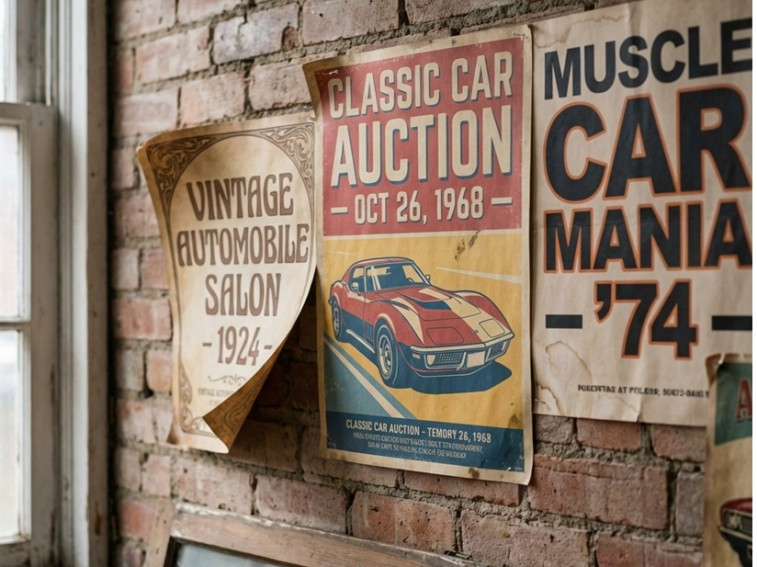
There's a certain magic surrounding classic cars, isn't there? It's a blend of engineering artistry, historical significance, and pure, unadulterated style. And for decades, long before you could browse listings with a quick click on platforms like Raw2k, the gateway to owning one of these beauties was often heralded by something equally captivating: the auction poster. These classic car auction posters weren't just simple notices; they were vibrant invitations, works of art, and fascinating snapshots of their time. Join us as we take a spin through the captivating visual history of these remarkable pieces. Whether you're a dedicated collector hunting for your next gem, a business sourcing unique vehicles through vehicle auctions, or simply someone who appreciates stunning design and a bit of nostalgia, there's something truly special about these paper time capsules. They tell a story not just of the cars themselves, but of evolving tastes, marketing savvy, and the enduring thrill of the auction block.
Before the Digital Bid: The Dawn of Automotive Advertising
Picture the scene: the early 20th century. Cars were still a marvel, a noisy, exciting symbol of progress that few could afford but many dreamt of. Auctions were pivotal events, bringing together buyers and sellers in a physical space, and the posters announcing them were crucial.
Setting the Stage: Early Adverts (Pre-WWII)
In these nascent years of motoring, vintage poster aesthetics often reflected the prevailing artistic winds, particularly Art Nouveau influences. Think flowing lines, ornate typography, and a focus on the sheer novelty and craftsmanship of the automobile. The Art Nouveau influences were evident in the decorative borders and elegant lettering that adorned these early announcements. Luxury was a key selling point. Posters might have featured elegant illustrations, perhaps hinting at the societal status owning such a machine could bring.
Typography: Often elaborate, sometimes hand-drawn, aiming for elegance and authority.
Imagery: Illustrations were common, sometimes quite detailed sketches of the vehicles. Early photography might appear, but it lacked the dynamism of later eras. The focus was often on the car as a beautiful object.
Information: These posters could be quite text-heavy. Remember, there was no website to click for details! The poster had to convey the essential information: makes and models available (if known), date, time, location, and the auctioneer's name. Clarity was key. Imagine a poster for an early Rolls-Royce or Bentley auction – it would exude exclusivity and detail.
Colour Palette: Often limited by printing technology, featuring perhaps two or three colours, or even monochrome designs relying on strong lines and contrast.
These early posters were fundamentally informational tools, but they laid the groundwork, establishing the car auction as a significant event worth advertising with care and a touch of artistic flair. The vintage poster aesthetics of this era represent the genesis of automotive marketing, a far cry from the instant access to vehicle auctions we enjoy today, but carrying their own unique charm.
The Golden Age: Mid-Century Motoring Mania (1940s-1960s)
Fast forward to the post-war era, a time of burgeoning optimism, economic growth, and the explosion of car culture. Families were hitting the newly built roads, design was becoming bolder, and the car transformed from a mere utility into a symbol of freedom and aspiration. This shift was vividly reflected in poster design.
Capturing the Dream on Paper
The mid-century period saw poster design truly come into its own, with Mid-Century Modern design principles shaping the visual language. Influences from Art Deco lingered, merging with the clean lines and vibrant energy of Mid-Century Modern design.
Colour Explosion: Gone were the muted tones of earlier years. Posters embraced vibrant palettes – bright reds, sunshine yellows, cool blues – mirroring the colourful cars rolling off the production lines.
Dynamic Illustrations: While photography was improving, illustration often reigned supreme, depicting cars not just statically, but in motion. Think sleek convertibles cruising along coastal roads, families happily loading up the estate car, or powerful sports cars hinting at speed and excitement. The artwork became more evocative, selling a lifestyle, not just a machine.
Aspirational Imagery: It wasn't just about the car; it was about the feeling. Posters often featured smiling drivers, scenic backgrounds, and a general sense of possibility. Owning that car, the poster suggested, was your ticket to this idyllic life. Imagine seeing a poster for a Jaguar E-Type auction – the illustration would likely capture its sensual lines and promise exhilarating performance. A poster for a VW Beetle might emphasise fun, freedom, and affordability.
Balancing Act: While imagery became more dominant, the essential auction details – what, where, when – remained crucial. Typography became cleaner, often sans-serif, reflecting modern sensibilities, but still prominent enough to be easily read. Brand logos also gained more prominence.
Think about spotting one of these posters tacked up on a notice board back in the day. Maybe you were a young lad, dreaming of the day you could afford that gleaming Triumph or sporty MG displayed so enticingly. It wasn't just an advert; it was a promise, a focal point for daydreams. These vintage poster aesthetics perfectly captured the spirit of an era falling head-over-heels in love with the motor car. Today, finding such vehicles might involve browsing auctions across different regions, perhaps checking listings for the North West or even further afield in Wales, all from the comfort of your screen.
An Era of Expression: Bold Graphics and Photographic Power (1970s-1980s)
The swinging sixties gave way to the seventies and eighties, decades marked by social change, technological advancement (even if it seems quaint now!), and a continued diversification of car culture. This era of expression found its voice in auction posters too, with design trends becoming bolder and photography starting to steal the spotlight.
From Psychedelia to Sleek Photography
The visual language continued to evolve, embracing new influences and technologies.
Graphic Punch: Early seventies designs sometimes flirted with psychedelic influences – bold, swirling patterns, unconventional colour combinations, and chunky typography. Pop art's impact was also felt, leading to playful and visually loud compositions. Think posters for auctions featuring Ford Capris or perhaps even early hot hatches – they needed to grab attention.
The Rise of Photography: As photographic reproduction techniques improved and became more cost-effective, photos began to dominate illustrations. This allowed for a more realistic, often dramatic portrayal of the vehicles. Sharp angles, dynamic lighting, and action shots became more common. A poster for a Porsche 911 or a classic Ferrari auction would likely feature a stunning, high-impact photograph conveying speed and desirability.
Focus on Experience and Niche: Marketing shifted subtly. It wasn't just about owning a car, but about owning the right car for a particular image or purpose. Posters might highlight performance credentials, luxurious interiors, or rugged off-road capability (think early Range Rovers). The poster aimed to connect with specific buyer aspirations.
Information Design: Layouts sometimes became more structured, perhaps using grids. While visually driven, the key auction details remained paramount. Often, posters would mention that detailed catalogues were available, acknowledging that the poster was the hook, not the entire story.
This era saw posters become more sophisticated marketing tools. They weren't just announcing an event; they were carefully crafting an image, tapping into the zeitgeist, and using increasingly powerful visual techniques. While cars dominated, the diversity of vehicles at auction grew, perhaps including dedicated motorcycle auctions or sales featuring commercial vehicles, similar to the range of van auctions available today. These posters captured the vibrancy and changing face of the automotive world.
Digital Dawn and Modern Nostalgia: The Poster Evolves (1990s-Present)
The arrival of the digital age fundamentally changed graphic design and advertising. The late 20th and early 21st centuries saw poster design adapt, incorporating new tools while also, paradoxically, developing a deeper appreciation for vintage aesthetics.
Pixels, Print, and Paying Homage
The transition wasn't always smooth, but it brought new possibilities and challenges to auction poster design.
Early Digital Influence: The advent of desktop publishing software in the late 80s and 90s democratised design, but sometimes led to visually cluttered posters as designers experimented with new digital fonts, effects, and clip art. Desktop publishing software enabled anyone with a computer to create promotional materials, though quality varied wildly. Photography became the absolute standard, usually high quality, but the overall composition varied wildly.
The Website Takes Centre Stage: As the internet became ubiquitous, the role of the physical poster shifted. It often became less about conveying all the information and more about driving traffic online. Posters might feature prominent website addresses or, later, QR codes, directing potential bidders to comprehensive online catalogues and bidding platforms. The poster was now a signpost to a digital destination.
Modern Nostalgia: Interestingly, as digital design matured through desktop publishing software evolution, a counter-trend emerged: a renewed appreciation for the aesthetics of the past. Many modern auction posters, especially for high-end classic car events (think Goodwood Revival or prestigious auction houses like Bonhams), deliberately mimic vintage poster aesthetics. They might use retro fonts, illustration styles, or colour palettes to evoke a sense of heritage and authenticity, even while using cutting-edge printing techniques.
High Production Values: Today, posters for major classic car auctions are typically slick, professional productions, often part of a coordinated marketing campaign spanning print, digital, and social media. High-resolution photography, clean typography, and sophisticated layouts are the norm.
The physical poster hasn't disappeared entirely, especially for prestigious events, but its function has evolved. It's now one piece of a larger marketing puzzle. The real 'auction announcement' for many today is the online listing itself, found on platforms like Raw2k, where detailed descriptions, multiple images, and bidding history are instantly accessible – a world away from the static paper posters of old, yet built on the same foundation of creating desire and providing information.
What Separates a Good Poster from a Great One?
Looking back at this rich history, what actually makes a vintage design truly stand out? It's more than just featuring a desirable car; it's a combination of elements working together harmoniously.
Immediate Visual Appeal: Does it catch the eye? This comes down to effective use of colour, a strong composition that draws the viewer in, and typography that is both legible and stylistically appropriate for the era and the vehicles.
Clear Information: A beautiful poster is useless if you can't figure out when or where the auction is! A great design presents the essential details (date, time, location, auctioneer, key vehicles) clearly and logically. There should be a hierarchy – the most important info should be easiest to spot.
Creating Desire (The 'Wow' Factor): The best posters don't just show a car; they evoke a feeling. They capture the essence of the vehicle – its speed, luxury, ruggedness, or charm – making the viewer want it. This might be through dramatic illustration, stunning photography, or clever taglines.
Reflecting its Time: A great poster feels authentic to its era. The design choices, from font styles to colour palettes and illustration techniques, should align with the prevailing aesthetics of the time it was created. This historical context adds another layer of interest.
Maybe a Touch of Brand Identity: Posters from established auction houses often developed a recognisable style over time, building trust and recognition. Similarly, posters featuring iconic marques needed to do justice to the car's own brand image.
These principles of effective visual communication are timeless. Whilst the medium might change, the goal of grabbing attention, providing information, and sparking desire remains central, whether it's a printed poster or a digital listing on a site covering auctions from the North East to the South East.
More Than Just Paper: Collecting Auction Posters
For some enthusiasts, classic car auction posters themselves have become highly desirable collectibles. It's easy to see why – they combine automotive history, graphic design, and social history into one visually appealing package.
The Hunt for Vintage Gems
Collecting is a fascinating hobby that appeals to a wide range of people, from die-hard petrolheads to graphic design aficionados and history buffs.
Where to Look: Finding authentic vintage posters can be an adventure. Specialist dealers, online auction sites (the irony!), memorabilia fairs, and sometimes even antique shops or car boot sales can yield treasures. Reproductions are common, so verifying authenticity is key for serious collectors.
What Drives Value? Several factors influence a poster's collectibility and value:
-
Rarity: How many were printed? How many survived?
-
Condition: Tears, folds, fading, and restoration attempts all affect value. Mint condition examples are rare and command high prices.
-
Featured Car: Posters featuring iconic or highly sought-after cars (think Ferraris, Aston Martins, specific race cars) are generally more valuable.
-
Aesthetic Quality: Is it a particularly striking design? Posters by renowned artists or designers are often prized.
-
Auction Significance: Was it for a particularly famous or important auction?
Displaying Your Finds: Once acquired, these posters deserve to be shown off! Professional framing not only protects the poster but turns it into a genuine piece of art, a conversation starter for any home, office, or workshop.
Collecting these posters is a way to own a tangible piece of motoring history, celebrating the artistry that went into promoting the cars we love.
From Poster Boards to Pixels: The Legacy in Today's Auctions
So, we've journeyed from hand-drawn announcements to sophisticated digital campaigns. What's the lasting legacy of these classic posters in the age of online auctions? More than you might think.
Timeless Principles in a Modern World
The core principles that made vintage designs effective are still entirely relevant for platforms like Raw2k. The 'poster' may now be a digital listing viewed on a screen, but the goals are the same:
Visual Impact is King: Just as a poster needed to grab attention from across the room, an online listing needs compelling visuals. High-quality photographs (or even videos) are the modern equivalent of stunning illustrations or dramatic photos on a poster. They are crucial for showcasing the vehicle accurately and attractively.
Clarity is Crucial: Easy access to clear, concise information is vital. Instead of squinting at small print, users need well-structured listings detailing the vehicle's specifications, condition report, location, bidding status, and auction end time. Raw2k's layout aims to provide this clarity across all its vehicle auctions.
Creating Desire Persists: The description, the images, the way the information is presented – it all contributes to making a potential bidder want that vehicle. Highlighting key features, outlining potential uses (whether for business fleets through van auctions or personal projects), and professional presentation all play a part.
Accessibility Reimagined: The poster pointed you to a physical location, maybe in the West Midlands or perhaps even as far as Scotland or Northern Ireland. Today, online platforms bring the auction to you, wherever you are, breaking down geographical barriers.
The spirit of the classic auction poster – its ability to excite, inform, and entice – lives on in the design and functionality of modern online auction platforms. The technology has changed dramatically, but the fundamental human desire for a great vehicle, and the need for clear, appealing presentation, remains constant.
A Visual Journey Through Time
Classic car auction posters offer us a unique window into the past. They are more than just advertisements; they are reflections of artistic trends, technological shifts, and our enduring fascination with the automobile. From the ornate elegance of the early 20th century to the bold graphics of the 70s and the digital sophistication of today, classic car auction posters tell a compelling story.
Whilst the way we discover and bid on vehicles has been transformed by platforms like Raw2k, the excitement of the auction and the allure of finding that perfect car or van remain unchanged. The legacy of those early poster designers lives on in the importance placed on clear visuals and compelling information in today's online marketplace.
Perhaps looking at these vintage designs inspires you to seek out your own piece of motoring history, or maybe a reliable workhorse for your business. Why not browse the current vehicle auctions available right now? Whether you're ready to register and start bidding or just exploring options, you might just find the vehicle that gets your engine running. If you have any questions about the process or specific listings, don't hesitate to get in touch. Happy hunting!