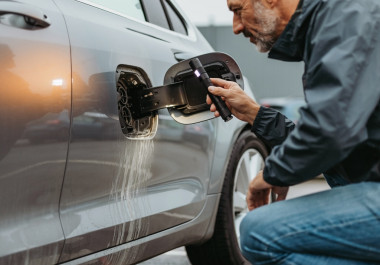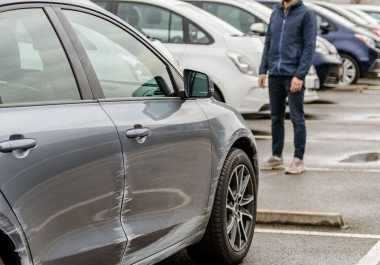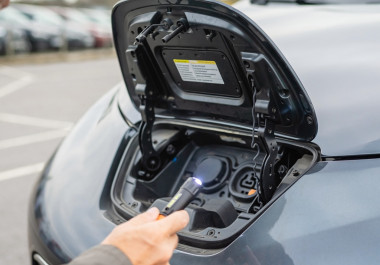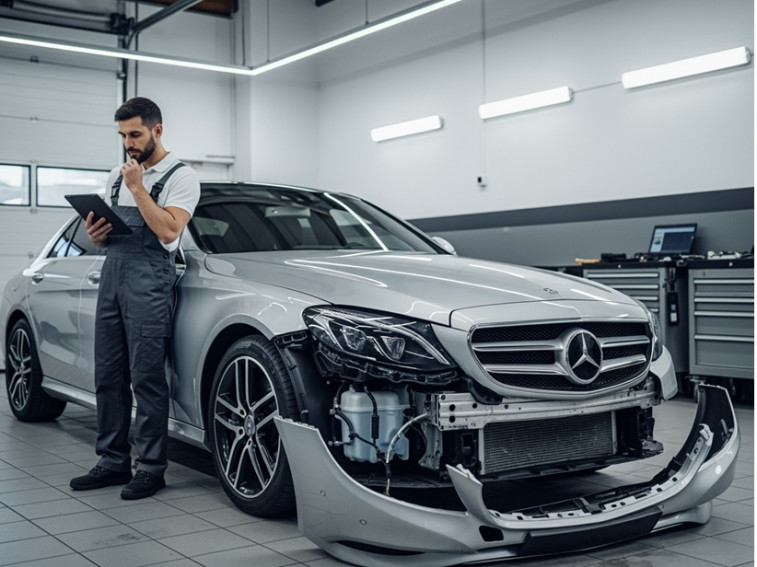
A 2019 Mercedes-Benz C-Class sits in a salvage yard, front bumper crumpled but engine intact. Insurance declared it a total loss after a parking mishap caused £4,200 in cosmetic damage. The car's market value was £18,000. Repair costs seemed reasonable. Yet the salvage title just knocked £8,000 off its resale value.
This scenario plays out daily across UK salvage auctions. Mercedes-Benz vehicles arrive with everything from minor bumper damage to complete flood damage, each carrying the prestige of a luxury badge and the complexity of German engineering. The question isn't whether these cars can be repaired - it's whether the mathematics work in your favour.
The Real Cost of Mercedes-Benz Parts
Mercedes-Benz charges premium prices for genuine parts. A replacement headlight assembly for a 2018 E-Class costs £890 from a main dealer. The same part from a salvage yard runs £220-£340. An AMG body kit panel? £1,200 new versus £300 salvaged.
These price gaps create opportunity, but only if you understand what you're buying. We've tracked hundreds of Mercedes-Benz salvage purchases and sales over the past 18 months. Vehicles with Category N damage (non-structural) typically sell for 40-55% below clean market value. Category S vehicles (structural damage repaired) drop 50-65% below market.
A 2020 Mercedes-Benz A-Class worth £22,000 in clean condition might fetch £9,500-£11,000 with Category N damage. If repairs cost £3,500, you're into the car for roughly £15,000. That leaves £7,000 of theoretical equity - until you try to sell a salvage-titled Mercedes.
Where Mercedes Complexity Kills Profit
Modern Mercedes-Benz vehicles contain more computing power than the Apollo 11 spacecraft. The 2023 S-Class runs on 50 electronic control units communicating across eight networks. This sophistication creates three specific problems for salvage buyers.
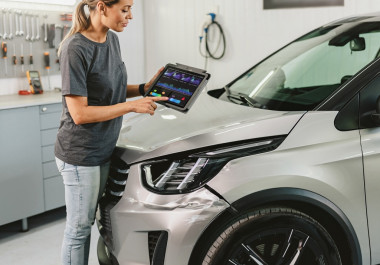
Diagnostic costs multiply quickly. A Mercedes-specific diagnostic session costs £120-£180 at independent specialists. Main dealers charge £180-£240. Complex electrical faults require multiple sessions. We've seen buyers spend £600 on diagnostics alone before identifying the actual problem.
Hidden damage reveals itself slowly. A front-end collision might damage the radar sensor behind the grille (£680), the adaptive headlight control module (£340), and the pre-collision system wiring harness (£520). None of these appear on initial inspection. The car looks repairable for £2,800. Actual cost: £6,340.
Software requires dealer access. Many Mercedes systems need dealer-level programming after repair. Replace an airbag control module? It needs coding to the vehicle's VIN. New instrument cluster? Same story. Independent shops can handle mechanical work, but programming often requires a main dealer visit at £140/hour.
The Models That Make Financial Sense
Not all Mercedes-Benz salvage vehicles drain wallets equally. Certain models and damage types create genuine opportunities.
Older petrol C-Class and E-Class models (2010-2016) with minor damage offer the best value proposition. Parts availability is excellent through salvage networks. Independent specialists know these platforms thoroughly. A 2014 C220 CDI with rear-end damage costing £1,800 to repair can work mathematically if bought at the right price.
Category N cosmetic damage on any model under three years old presents opportunity for buyers keeping the car long-term. The salvage title matters less if you're not selling soon. A 2021 GLC with £5,000 in cosmetic damage bought for £18,000 (versus £32,000 clean) makes sense for a keeper.
AMG models with documented histories sometimes appear after track incidents. These cars often have complete service records and known modifications. If damage is limited to suspension components and bodywork, repair costs stay predictable. The enthusiast market accepts salvage titles more readily than the mainstream market.
What Goes Wrong Most Often
Three patterns account for 70% of failed Mercedes-Benz salvage purchases in our experience.
Flood damage hidden as accident damage. A vehicle listed as having "front bumper damage" shows signs of water intrusion once inspected. Water reaches the footwell carpet, corrodes electrical connectors, and creates problems that emerge months later. UK salvage auctions require accurate categorisation, but descriptions don't always tell the complete story. Always check for water lines, musty smells, and corrosion on metal components under carpets.
Underestimating calibration costs. Modern Mercedes vehicles need camera and radar calibration after any front-end repair. This process requires specific equipment and costs £180-£340 per session. Some vehicles need multiple calibrations across different systems. Budget an extra £500-£800 for any collision involving the front bumper, windscreen, or front wings.
Ignoring the resale reality. A Category S Mercedes-Benz E-Class loses 50-60% of its value compared to a clean example. This gap never closes. You might execute perfect repairs and maintain comprehensive records, but the salvage title remains permanent. Finance companies often refuse to lend against salvage titles. Insurance costs rise 20-40%. Your buyer pool shrinks to cash buyers accepting salvage vehicles.
The Insurance Calculation
Insurance companies total Mercedes-Benz vehicles faster than mainstream brands. A £35,000 Mercedes GLE needs just £10,500 in damage (30% of value) before many insurers write it off. The same percentage on a £12,000 Ford Focus requires £3,600 in damage.
This creates opportunity and risk. Opportunity because relatively minor damage creates salvage vehicles that repair economically. Risk because the same calculation applies when you own the repaired car. Minor damage in your ownership might total the vehicle again, leaving you with a worthless asset.
We've tracked insurance premiums on repaired salvage vehicles. Category N Mercedes-Benz vehicles cost 15-25% more to insure than clean equivalents. Category S vehicles see 25-40% premium increases. Some insurers refuse salvage vehicles entirely. Get insurance quotes before buying, not after.
When Salvage Makes Sense
Three scenarios justify buying Mercedes-Benz salvage vehicles.
You're a competent mechanic with access to diagnostic equipment. Labour costs destroy most salvage mathematics. If you can perform repairs yourself and have Star Diagnostic access (or similar), you eliminate the biggest cost variable. A £4,000 repair job costs £800 in parts when you provide the labour.
You're buying parts, not a car. A Category B (break for parts) Mercedes with a perfect engine, transmission, and interior components might be worth £8,000 in parts sold individually. If you can buy it for £3,500, store it, and sell components over six months, the mathematics work. This requires space, time, and knowledge of what sells.
You're keeping the car long-term. The salvage title matters most at resale. If you plan to keep the vehicle for 5-7 years, the resale penalty becomes less relevant. A 2019 Mercedes-Benz C-Class bought for £12,000 with Category N damage, repaired for £3,000, and kept until 2030 might deliver better value than buying clean at £20,000.
The Specialist Factor
Mercedes-Benz repairs require specific knowledge. A competent general mechanic might struggle with COMAND system faults or air suspension diagnostics. We maintain relationships with independent Mercedes specialists across the UK. Their labour rates run £60-£85 per hour versus £140-£180 at main dealers.
This cost difference matters enormously on complex repairs. A transmission fault diagnosed and repaired at a main dealer might cost £3,200. The same job at a specialist: £1,800. For salvage buyers working on tight margins, specialist access often determines profitability.
Ask potential repair shops these questions before buying salvage:
-
Do you have Mercedes-specific diagnostic equipment?
-
Can you perform system coding and calibration?
-
What's your labour rate for insurance work versus private work?
-
Can you provide a written estimate from photos?
The last question matters most. A detailed estimate from photos costs £50-£100 but prevents expensive surprises. We've seen buyers spend £200 on estimates that saved them from £8,000 mistakes.
The Category Distinctions That Matter
UK salvage categories determine both repair requirements and resale values.
Category N vehicles have non-structural damage. The chassis, crux, and structural frame remain undamaged. These cars often have cosmetic damage, electrical problems, or theft recovery histories. Repair costs stay predictable. Resale values drop 35-45% below clean examples.
Category S vehicles have structural damage that's been professionally repaired. The chassis or structural frame was damaged but fixed to insurance standards. These repairs must be documented. Resale values drop 50-65% below clean examples. Insurance costs rise significantly.
Category B vehicles must be crushed. Only parts can be sold. These vehicles often have severe structural damage or flood damage. If you're buying for parts, Category B offers the best value - sellers know the car can't be repaired, so prices reflect parts value only.
Category A vehicles must be completely destroyed. Nothing can be salvaged. These rarely appear at auction.
For Mercedes-Benz buyers, Category N represents the sweet spot. Structural integrity remains intact. Repair costs stay manageable. The resale penalty exists but doesn't destroy all equity.
The Paperwork That Protects You
Proper documentation separates profitable salvage purchases from disasters.
Get the V5C logbook showing the salvage category marker. This document proves the car's history legally. Without it, you can't register the vehicle in your name.
Request the insurance engineer's report detailing the original damage. This report shows what the insurance company found when they assessed the vehicle. It reveals damage you might not see in auction photos.
Obtain repair receipts and photos if the vehicle has been repaired already. These documents prove repair quality and help with insurance and resale.
Check the MOT history at gov.uk/check-mot-history. This free service shows previous failures and advisories. A Mercedes with repeated suspension advisories might have unrepaired accident damage.
Run an HPI check confirming the salvage category, outstanding finance, and stolen status. This costs £20 and prevents expensive legal problems.
Finding Mercedes-Benz Salvage Inventory
Browse available Mercedes-Benz salvage vehicles to compare current market pricing and damage categories. Understanding existing inventory helps calibrate your bidding strategy.
The Final Calculation
Mercedes-Benz salvage vehicles reward careful analysis and punish optimism. The mathematics work only when you:
-
Buy at genuine salvage prices (45-65% below clean market value)
-
Accurately estimate all repair costs including calibration and programming
-
Accept the permanent resale penalty
-
Have access to specialist labour at reasonable rates
-
Can absorb unexpected costs without destroying the project
A realistic example: A 2018 Mercedes-Benz C220d AMG Line worth £19,000 clean appears at auction with front-end damage. Category N classification. You inspect it personally and identify £3,800 in parts costs. A trusted specialist quotes £1,400 labour plus £300 calibration. Total repair cost: £5,500.
You bid £9,200 and win. You're into the car for £14,700 after repairs. The salvage title means resale value sits around £13,500-£14,500. You have minimal equity, but you own a nearly-new Mercedes for £4,300 below clean market value.
If you keep it for four years, the depreciation curve works in your favour. Clean examples drop to £11,000. Yours drops to £7,500. The initial discount of £4,300 becomes a £3,500 advantage over four years - not accounting for higher insurance costs.
The mathematics rarely deliver dramatic profits. They sometimes deliver modest savings for buyers who execute perfectly. More often, they deliver expensive lessons about the true cost of luxury vehicle ownership. For expert valuation and specialist referrals, get in touch.