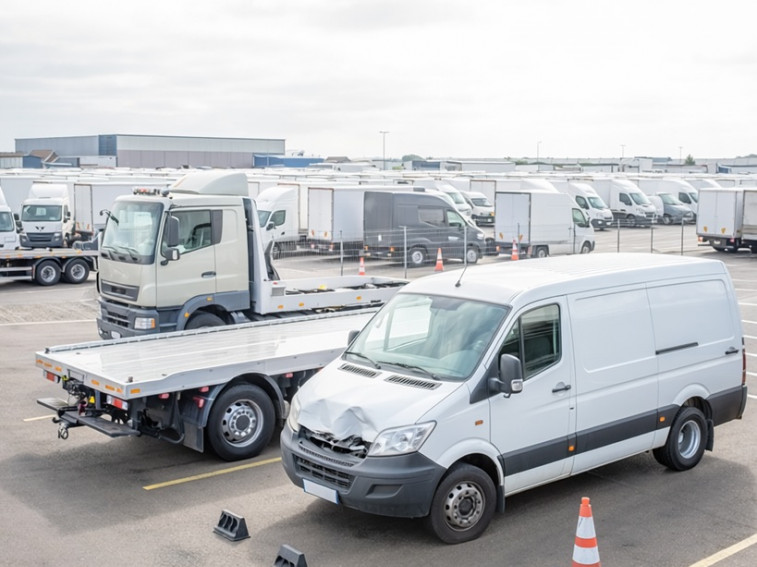
The secondary salvage market for Heavy Goods Vehicles and light commercial vans is remarkably sharper, considerably faster, and far more heavily regionalised than the standard passenger car trade. Demand absolutely does not spread evenly across the United Kingdom. It clusters aggressively around major shipping ports, massive industrial estates, and urban environments where the last-mile courier economy runs completely hot. Understanding exactly where trade demand peaks can mean the definitive difference between executing a rapid, profitable flip and staring at a dormant vehicle that sits in your yard draining working capital for months.
Geography matters immensely in the commercial sector, and timing is equally critical. Successfully navigating an HGV salvage auction requires deeply understanding where your ultimate end-buyers are geographically located. Trade buyers might heavily struggle to shift a slightly older, non-compliant damaged Transit van in the South East, while that exact same van would be snapped up in hours if it were listed and repaired in a rural Midlands hub. This comprehensive guide breaks down exactly where commercial salvage demand currently peaks and how savvy professional buyers leverage regional patterns to maximize their profit margins without ever leaving their digital screens.
Why Commercial Salvage Demand Isn't Uniform
Light commercial vehicles and heavy trucks serve highly specific, localized economies. A massive logistics courier hub operating out of Manchester fundamentally requires completely different rolling stock than a heavy construction firm operating deep in Cornwall. Commercial demand strictly follows the physical patterns of local industry. A Category N Mercedes Sprinter listed in a central London depot instantly competes with hundreds of incredibly similar listings from massive corporate fleet disposals. However, in Northern Ireland where the overall supply of premium ex-fleet vehicles is significantly tighter, that exact same damaged van will attract intense, focused bidding from local traders desperate for inventory.
Salvage buyers operating in high-demand areas generally want functional vehicles they can repair rapidly and put straight back to work on a commercial site. For these specific buyers, operational speed matters vastly more than cosmetic perfection. A minor dent on a side-loading door is largely ignored if the engine block is completely sound and the loading dimensions match their requirements.
Professional buyers actively use location filters when browsing digital commercial catalogues to pinpoint these regional variations in real time. They intentionally seek out digital listings where their desired stock is plentiful but local bidding competition remains low.
The South East: High Volume, High Competition
The South East of England utterly dominates commercial salvage listing volumes. This is a direct, unavoidable result of massive traffic density, elevated accident rates, and the sheer concentration of national logistics operators headquartered around the M25 motorway corridor. However, high digital supply does not automatically translate to an easy, profitable purchase. The trade buyers operating in this specific region are incredibly savvy, highly capitalized, and intensely competitive.
Because of the Ultra Low Emission Zone and various other regional Clean Air Zones, Euro 6 compliant vans are absolutely essential for any trader hoping to sell a repaired vehicle back into the local South East market. Modern tipper trucks, clean Luton boxes with working tail lifts, and small panel vans like the Volkswagen Caddy move incredibly fast for local independent tradespeople. Conversely, older lots at an HGV salvage auction often struggle to attract premium bids in this region simply because local end-users cannot afford the daily emission penalty charges. If you are actively buying in the South East, you are competing directly with professional, high-volume flippers and export syndicates. The financial margins are frequently thinner per vehicle, but the overall turnover potential is massively higher if you target the correct compliance categories.
The Midlands: The Heart of Trade Demand
The Midlands is undeniably where the commercial salvage market moves the fastest and with the most predictability. It serves as the recognized logistics backbone of the United Kingdom, playing home to massive central distribution hubs for global companies and major supermarket chains. When a massive national fleet operator experiences an accident or reaches the end of a strict vehicle depreciation cycle, they process their disposals here. Often, massive logistics companies write off completely repairable vans simply because their corporate insurance excess is higher than the rapid write-off recovery value, creating a prime opportunity for trade buyers.
A Category S Iveco Daily with severe front-end damage can easily sell for significantly more than expected if listed in a West Midlands holding depot during the peak autumn courier preparation season. Local buyers in this central hub care strictly about payload capacity and roadworthiness. Robust 3.5-tonne panel vans, robust flatbed trucks, and dropsides are in constant, aggressive demand. The Midlands region also benefits from a slightly lower concentration of speculative flippers compared to central London, offering genuine independent mechanics much better baseline profit margins on heavy repairs.
The North West: Courier Economy and Fleet Buyers
Manchester, Liverpool, and Preston represent absolute hotspots for practical trade demand. The regional courier economy is completely booming, and smaller independent logistics firms are constantly hunting for affordable, reliable light commercial vehicles to expand their delivery routes. Fleet buyers in this region strongly prefer salvage stock that they can easily and cheaply repair in-house without outsourcing complex electronic calibrations. This specific preference makes standard Category N vans featuring straightforward cosmetic panel damage the ideal target asset.
Standard Ford Transits, reliable Renault Masters, and heavily maintained ex-lease vans sell incredibly well in the North West, provided they do not harbor hidden, heavy structural frame damage. Scaffolders and local builders drive massive demand for open-backed commercials.
Furthermore, the North West harbors a remarkably strong, growing demand for smaller, highly agile urban commercials. Savvy traders regularly browse damaged motorcycles and light delivery scooters to repair and sell directly to the massive influx of urban gig-economy delivery riders operating in these dense city centers.
Scotland and Northern Ireland: Tight Supply, Strong Demand
Scotland and Northern Ireland face unique geographical supply constraints that frequently force their local trade buyers to look south towards English depots for consistent volume. This structural imbalance creates an incredible opportunity for buyers willing to handle the slightly more complex roll-on-roll-off ferry logistics. A Category N Toyota Hilux or a Ford Ranger will attract massive, immediate interest in Scottish depots from heavy agricultural businesses and rural forestry commissions.
In Northern Ireland, the physical separation of the market creates a smaller, much more cautious buying environment. Buyers here heavily prefer vehicles with completely clear, verified histories. Robust pickups, small maintenance vans, and reliable 4x4s work exceptionally well. Because corporate insurance excess limits are high for entities operating in remote areas, perfectly good vehicles are often written off for minor rural impacts. Transparency regarding the exact vehicle condition and the absolute presence of the V5C document is the paramount key to attracting premium bids in these tighter regional markets.
What Trade Buyers Look for in Commercial Salvage
Regardless of their specific regional location, professional trade buyers calculate their estimated repair costs and potential retail resale value instantly before placing a proxy bid. There are several strict non-negotiables that dictate exactly how much a commercial vehicle is actually worth on the digital salvage block.
The physical presence of the vehicle keys and the V5C logbook are absolutely essential. Missing commercial keys often require highly expensive mobile locksmith callouts and complex ECU transponder recoding, instantly killing a tight profit margin. Regarding the official salvage category, Category N is universally preferred by smaller independent dealers for its sheer ease of retail resale. Accessible side-panel damage is a rapid, highly profitable fix, while heavy chassis twists requiring complex commercial alignment jigs are strictly left to massive, specialized body shops. Finally, documented Preventative Maintenance Inspection records or a stamped service history add massive financial value by proving the heavy diesel engine was actually cared for during its tough commercial life.
Regional Trends and Seasonal Shifts
Commercial demand completely shifts in tandem with predictable seasonal changes. The spring and summer months see massive demand spikes for standard courier vans and refrigerated units as the national logistics network prepares for the warmer weather delivery cycles. Conversely, the autumn and winter months see standard construction buying naturally slow down, while heavy agricultural buying and demand for 4x4 commercial response vehicles increase dramatically, especially in rural Welsh and Scottish depots.
The combination of strict supply chain logistics and the aggressive expansion of Clean Air Zones has completely reshaped the baseline demand curve, making verified Euro 6 compliance an absolute deal-breaker for any vehicle intended for city operations. Timing your regional purchases perfectly around these macroeconomic trends can easily double your final profit margins.
You can actively monitor all available salvage inventory across different regions to spot these crucial seasonal pricing shifts as they happen in real time. This digital tracking allows you to buy low in quiet regions and sell high in active ones.
Where RAW2K Fits in the Trade Salvage Market
The traditional motor trade used to involve wasting entire working days driving to physical auction yards, standing in the cold rain, and simply hoping the right commercial vehicle crossed the block. Modern salvage has entirely eliminated this massive operational inefficiency. A 100% digital platform completely changes how buyers source their inventory. Trade buyers do not need to visit a physical store or yard to browse stock; they can actively monitor the full breadth of national inventory directly from their workshop office desk.
Instead of traveling to a physical location, buyers leverage enterprise-level digital infrastructure to view detailed photographs, damage descriptions, and condition reports of vehicles that are securely stored at various regional holding depots across the country. Utilizing an established, transparent online platform is the single best way to navigate this complex regional landscape safely. Enterprise platforms seamlessly connect localized regional buyers with a massive, nationwide stream of premium salvage vehicle auctions.
Browsing the full breadth of available stock reveals exactly where the current market price points sit across different weight classes and manufacturer brands. For trade buyers actively targeting highly specific regions, leveraging native platform filters makes it incredibly easy to find heavy stock that perfectly matches local buyer demand without wasting hours scrolling through irrelevant listings.
Avoiding the Pitfalls of Commercial Salvage
Buying heavy commercial salvage is undeniably lucrative, but it is absolutely not risk-free. Massive hidden costs frequently lurk beneath the surface of seemingly perfect vehicles. When browsing an HGV salvage auction, verify the official HPI status independently to completely avoid nasty financial surprises regarding outstanding asset finance or hidden secondary write-off markers. Always strictly factor in your maximum repair costs by securing firm parts quotes before you click the bid button.
You must deeply understand the commercial insurance implications of your purchases. Purchasing heavy structural damage, such as Category S commercial vehicles, on enterprise platforms strictly requires a verified Trade Account, ensuring only equipped professionals handle these complex rebuilds. Some commercial fleet policies feature a massive insurance excess for Category S vehicles, or they strictly refuse to cover repaired structural salvage for heavy goods transport entirely. You must ensure the vehicle can actually be insured and utilized by your target retail customer before you buy it.
For older commercial vehicles that unfortunately turn out to be completely uneconomical to repair once delivered to your workshop, utilizing a reliable scrap my car valuation tool is a brilliant way to establish a baseline metal value before you bid, acting as a crucial, ultimate financial safety net for your business.
The Impact of Fleet Electrification
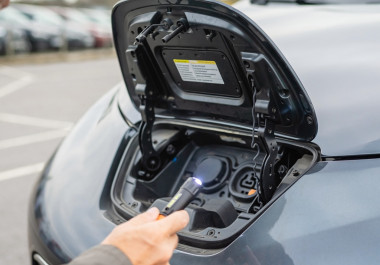
The massive corporate push towards fleet electrification is fundamentally changing the face of the commercial salvage market. The physical concentration of fully electric delivery vans is rapidly growing in massive urban holding depots. The South East and central London depots currently process significantly more damaged electric commercial stock than anywhere else in the country due to early corporate adoption mandates.
Conversely, this trend highlights the continued, unshakeable dominance of reliable diesel power in remote rural areas where charging infrastructure remains exceptionally poor. Adapting your digital buying strategy to this shifting technological landscape is absolutely vital for future profitability. A workshop located in a rural area should absolutely continue to source premium diesel stock, while an urban body shop utilizing uk van auctions must aggressively invest in the high-voltage training required to safely repair modern electric fleet disposals.
Making Location Work for You
Ultimately, the absolute best salvage strategy is simply utilizing digital tools to find the specific stock your local customer base needs at a highly profitable acquisition price. High-volume flippers who rely on rapid, low-margin turnover should heavily filter their searches to the massive, high-volume depots in the South East and the Midlands. Conversely, end-users looking for robust workhorses should digitally target the North and the West for significantly lower hammer prices and reduced bidding competition.
To actively explore the current commercial availability in your specific operational area without ever leaving your desk, you can easily utilize digital filters to view stock stored at various regional hubs. Because the platform does not provide in-house delivery, you are entirely responsible for arranging your own third-party flatbed or commercial transporter recovery, making it essential to begin mapping out your most profitable local collection routes online before you secure repairable salvage cars.
Conclusion
Trade demand for heavy goods vehicles and light commercial salvage is undeniably strongest precisely where massive logistics networks and heavy construction activity cluster together. The Midlands currently leads the entire market for predictable fleet turnover, closely followed by the booming courier economy of the North West and the high-density networks of the South East. Focusing your digital acquisition strategy on regions with high turnover guarantees a reliable supply of profitable stock.
If you are a professional buyer ready to leverage these distinct regional patterns to secure superior commercial stock, expand your search radius and trust your logistical calculations.
Utilizing a 100% online platform with nationwide reach allows you to seamlessly cast a massive digital net, tracking high-value assets from Aberdeen to Cornwall via RAW2K.
To get started with your digital sourcing strategy and view the complete national inventory, finalize your auction registration today to begin actively bidding.
If you require any specific assistance understanding commercial salvage categories or verifying regional access rules for your transporters, please speak with our team for professional support.